Avocado Smoothies for Weight Loss: Creamy Recipes & Science-Backed Tips
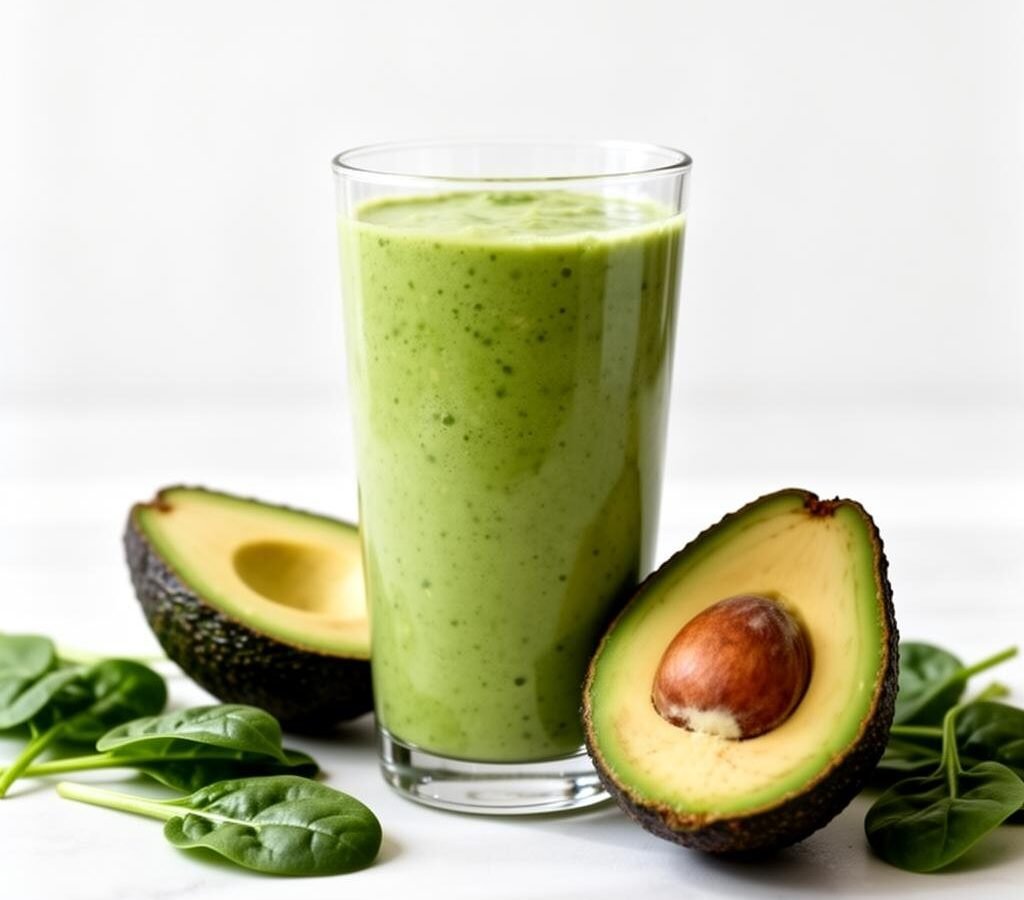
Looking to slim down without feeling hungry? Discover why the avocado smoothie for weight loss is a game-changer for your metabolism and satiety.
If you’ve ever scrolled through a wellness feed and wondered why everyone is suddenly blending green alligator-skinned fruit into their breakfast, there’s a very good reason. The humble avocado isn’t just for toast anymore. When you craft a deliberate avocado smoothie for weight loss, you’re basically creating a creamy, drinkable insurance policy against mid-morning snack cravings. I remember the first time I tried blending one. I was skeptical—surely putting fat in a drink was counterintuitive for fitness goals? But after that first velvety sip, I realized I wasn’t just enjoying a treat; I was fueling my body in a way that kept me energized until 2:00 PM. No sugar crash, no “hangry” emails to colleagues, just steady energy. In this guide, we’re going to look at why this green powerhouse is your best friend on a weight loss journey and how to make them taste like a milkshake while acting like a medicine cabinet.
Why Avocados are the Secret Weapon for Fat Loss
The biggest myth in the weight loss world is that fat makes you fat. We’ve come a long way since the ’90s snack-well era, but some people still flinch at the 250-320 calories in a single avocado. Here’s the secret: avocados are packed with monounsaturated fatty acids (MUFAs), specifically oleic acid. This is the same heart-healthy fat found in olive oil. When you consume these fats, your body releases a hormone called oleoylethanolamide (OEA), which travels to your brain and tells it, “Hey, we’re good here! You can stop eating now.”
Beyond the satiety factor, an avocado smoothie for weight loss is a fiber powerhouse. A single avocado contains about 13 grams of fiber. For most of us, that’s nearly half of our daily requirement in one go. Fiber acts like a slow-motion button for your digestion, preventing the insulin spikes that lead to fat storage. When your blood sugar stays steady, you don’t get those desperate cravings for a donut at 11:00 AM. It’s about working with your biology, not against it.
The Creaminess Factor: Better Than Dairy
Texture is everything when it comes to staying consistent with a healthy diet. If a smoothie tastes like watery grass, you isn’t going to drink it for long. Avocados provide a luxurious, buttery mouthfeel that usually requires heavy cream or yogurt. This “palatability” is vital. When we enjoy what we eat, our brain’s reward centers are satisfied, making us less likely to go looking for a dopamine hit from processed snacks later.
Think of the avocado as your base layer. It’s neutral, slightly nutty, and incredibly adaptable. It masks the “earthy” taste of kale or spinach perfectly. If you’ve ever tried to force down a green juice and hated every second, try blending those same greens with half an avocado. The fat emulsifies the drink, turning a gritty green mess into a silky green latte. It’s the difference between “diet food” and a culinary experience you actually look forward to waking up for.
Designing the Perfect Low-Calorie Blend
While the avocado is the star, the supporting cast matters just as much. To maximize weight loss, you need to balance your macronutrients.
First, Protein. Always add a scoop of high-quality protein powder or half a cup of Greek yogurt. Protein has a high thermic effect, meaning your body burns more calories just trying to digest it compared to fats or carbs.
Second, Hydration. Avoid fruit juices like orange or apple juice, which are essentially liquid sugar. Instead, reach for unsweetened nut milks, coconut water (in moderation), or plain filtered water.
Third, The “Zing”. Since avocados are rich and fatty, they benefit from acidity. A squeeze of lemon, lime, or even a splash of apple cider vinegar can brighten the flavor and aid digestion. Don’t forget spices! Cinnamon can help with insulin sensitivity, while a pinch of cayenne pepper can give your metabolism a teeny tiny temporary boost. Keep your fruit portions small—stick to half a cup of berries to keep the glycemic load low.
Timing and Preparation for Maximum Results
Let’s talk strategy. When should you drink your avocado smoothie? For many of my clients, breakfast is the winner. Starting your day with healthy fats and fiber sets a metabolic tone. You aren’t riding the “blood sugar roller coaster” from a sugary cereal start.
However, don’t overlook the “Pre-Dinner Strategy.” If you find yourself overeating at dinner because you’re famished by 6:00 PM, try a small avocado smoothie around 4:00 PM. This “bridges the gap.” By the time dinner rolls around, you’ll be able to make rational, healthy choices rather than eating everything in sight.
Another tip: The Frozen Trick. If you find your avocados are ripening all at once, scoop the flesh out, sprinkle with a little lemon juice to prevent browning, and freeze them in half-portion bags. Using frozen avocado makes your smoothie much thicker and colder, almost like a soft-serve ice cream texture. It feels much more indulgent than it actually is.
Common Pitfalls to Avoid on Your Journey
While avocados are nutritional gold, they are calorie-dense. A common mistake is using a whole large avocado, a cup of full-fat yogurt, two bananas, and a handful of nuts. That’s not a weight-loss smoothie; that’s a delicious 900-calorie weight-gain shake!
For fat loss, the “Golden Rule” is half an avocado. That usually clocks in around 120-160 calories depending on size. Pair that with a low-calorie liquid and 100 calories of protein powder, and you’re in the “Sweet Spot” of 300-400 calories. This is the perfect range for a meal replacement.
Also, watch out for “shadow sugars.” Many nut milks labeled “Original” are actually loaded with cane sugar. Always buy “Unsweetened.” Similarly, be careful with honey or maple syrup. A tablespoon of honey adds 64 calories of pure sugar. If you need sweetness, try a few drops of stevia or half a frozen green apple. It’s these small tweaks that determine whether the scale moves down or stays stuck.
Nutrient Synergy: Beyond Just Calories
One of the coolest things about the avocado is its ability to act as a “nutrient booster.” Many of the most important vitamins for weight loss and energy—like Vitamin A, K, and E—are fat-soluble. This means your body literally cannot absorb them properly unless there is fat present.
When you throw a handful of spinach or kale into your avocado smoothie, you’re not just getting the fiber; the fats in the avocado are helping your body pull every bit of nutrition out of those greens. It’s a synergistic relationship.
I’ve found that within two weeks of replacing a standard bagel breakfast with an avocado-based blend, most people notice a significant change in their skin and energy levels. You stop feeling that 3:00 PM “brain fog.” You feel clearer, more focused, and—most importantly—you feel in control of your appetite. Weight loss is a lot easier when you aren’t fighting your own hunger cues every hour of the day. Trust the process, enjoy the creaminess, and let the healthy fats do the heavy lifting.
Key Takeaways
- Avocados provide oleic acid which signals your brain to feel 'full'.
- Always balance your smoothie with a protein source to stabilize blood sugar.
- Use half an avocado (approx. 100-120 calories) per smoothie for weight management.
- Replace high-sugar juices with unsweetened almond milk or water.
- Add 'boosters' like chia seeds or spinach for extra volume and nutrients.
- The healthy fats in avocados help your body absorb vitamins A, D, E, and K from other ingredients.
📋 The Ultimate Slimming Green Velvet Smoothie
Ingredients
- 1/2 medium ripe avocado
- 1 cup unsweetened almond milk
- 1 scoop vanilla protein powder (low carb)
- 1/2 cup frozen blueberries or spinach
- 1 tbsp chia seeds
- A squeeze of fresh lime juice
- 4-5 ice cubes
Instructions
- Scoop the flesh of the half avocado into your high-speed blender.
- Add the almond milk and lime juice first to help the blades move easily.
- Toss in the protein powder, chia seeds, and your choice of fruit or greens.
- Add ice cubes on top.
- Blend on high for 45-60 seconds until the texture is completely silk-smooth.
- Pour into a glass and enjoy immediately while cold!
Nutrition
| Calories (Per Serving) | 280 - 350 kcal |
| Healthy Fats | 15g - 22g |
| Fiber | 9g - 12g |
| Protein (with powder) | 20g - 25g |
| Sugar (Natural) | 8g - 12g |
| Potassium | 700mg + |
Frequently Asked Questions
Are avocado smoothies good for weight loss?
Yes, absolutely! While avocados are higher in calories than other fruits, they are packed with monounsaturated fats and fiber that keep you full for hours, preventing overeating later in the day.
Can I drink an avocado smoothie every day?
For weight loss, it is best to drink one avocado smoothie per day, ideally as a breakfast replacement or a post-workout meal. Stick to using half an avocado per serving to manage calorie intake.
Should I add protein to my avocado smoothie?
Avocados provide the creaminess, but adding a scoop of protein powder (whey or plant-based) or Greek yogurt ensures you preserve muscle mass while losing fat.
What fruits pair best with avocado for slimming down?
Low-glycemic fruits like blueberries, strawberries, or green apples work best. Pineapple and mango are delicious but should be used sparingly due to their higher sugar content.
How can I make my avocado smoothie taste better without adding sugar?
Try adding a squeeze of lemon or lime, a dash of cinnamon, or a handful of fresh mint. These add zero calories but provide a massive flavor boost.