
How to Ripen Avocados Fast: 6 Proven Science-Backed Methods
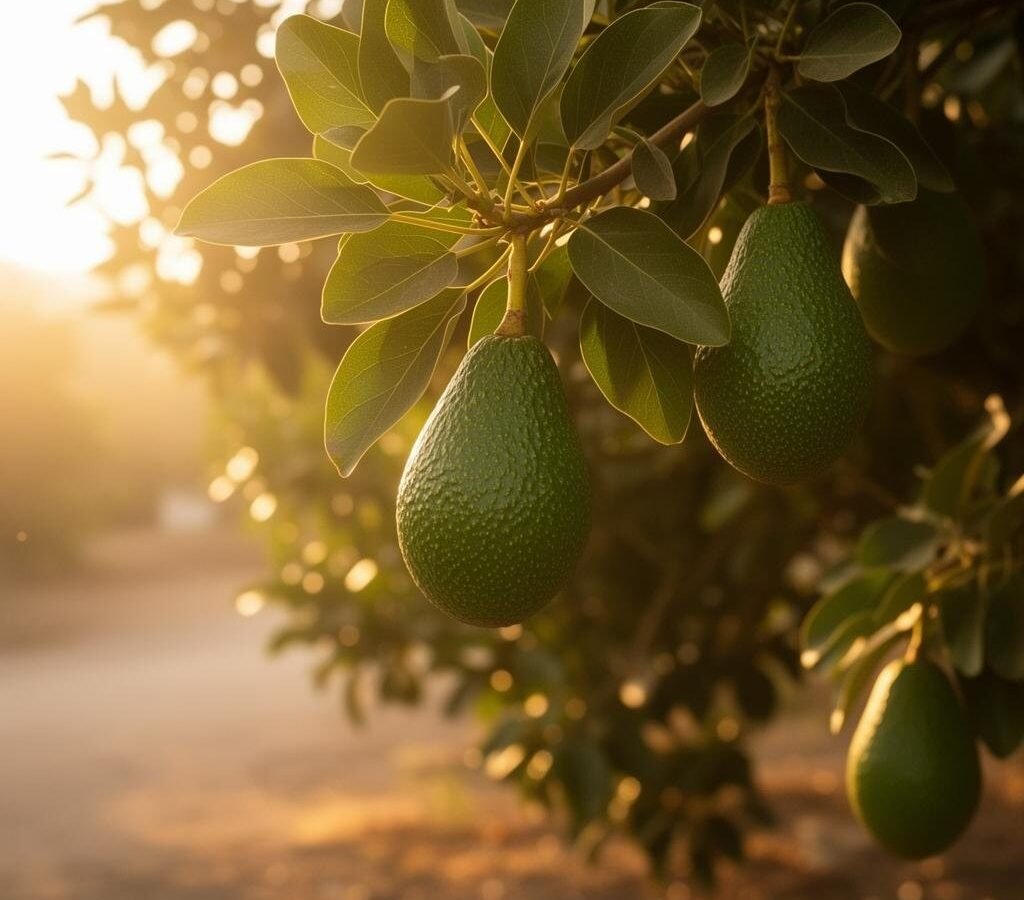
Stuck with a rock-hard avocado when you need guac now? Learn the science-backed secrets of how to ripen avocados fast using heat, paper bags, and more.
We’ve all been there. You’re at the grocery store, dreaming of a mountain of fresh, zesty guacamole or a perfectly seasoned slice of avocado toast, only to find a bin full of green, rock-hard “stones.” You buy them anyway, hoping for a miracle by lunchtime. But when you get home, that avocado is still as stubborn as a brick. Knowing how to ripen avocados fast is a survival skill for anyone who takes their brunch seriously. The truth is, avocados are finicky. They don’t ripen on the tree; they only start the softening process once they’ve been harvested. This means the timeline is often out of your hands—unless you know a few crafty kitchen hacks. Whether you have 24 hours or just 10 minutes before your guests arrive, there are ways to coax that fruit into its creamy, buttery prime. In this guide, we’re going to walk through the science of ethylene gas, the “paper bag” trick your grandmother probably used, and why you might want to think twice before putting your avocado in the oven. Let’s turn those green rocks into creamy gold.
The Science of the Squeeze: How Ripening Works
To understand how to ripen avocados fast, we first have to talk about ethylene. It sounds like something out of a high school chemistry lab, but it’s actually a natural plant hormone. Many fruits, including bananas, apples, and avocados, release this gas as they mature. When an avocado is exposed to ethylene, it triggers the breakdown of internal starches into sugar and softens the cell walls, giving us that luscious texture we love.
The trick to speed-ripening is essentially creating an “ethylene sauna.” In the wild, or just sitting on your counter, the gas dissipates into the air. By containing it, you force the avocado to sit in its own signals, accelerating the process from five days down to one or two. This is why the environment you choose for your fruit matters more than how much you stare at it (though we’ve all tried the staring method).
Think of ripening as a slow exhale. If you can keep that “breath” close to the fruit, you’re winning the game. But remember, speed often comes at a slight cost to flavor. The slower an avocado ripens, the more time those complex, nutty oils have to develop. However, when the guac-mergency strikes, flavor usually takes a backseat to texture!
The Brown Paper Bag Method: The Gold Standard
If you have about 24 to 48 hours, this is the gold standard. It is the most reliable method because it preserves the flavor and nutritional integrity of the avocado while significantly cutting down the wait time.
Here’s what you do: Grab a simple brown paper bag. Place your hard avocados inside and, this is the crucial part, add a “trigger fruit.” A banana, a red apple, or even a kiwi will work. Roll the top of the bag tightly to seal it shut.
Why does this work? Bananas and apples are ethylene powerhouses. By putting them in a confined space with the avocado, you are essentially drowning the avocado in ripening hormones. Usually, within 24 hours, you’ll notice a significant change. By 48 hours, you’re likely ready for toast.
Pro Tip: Don’t use a plastic bag. Plastic traps moisture along with the gas, which can lead to mold or a “slimy” skin texture. Paper is breathable enough to keep things dry but tight enough to hold the gas. It’s the perfect middle ground for a healthy, happy avocado.
The Oven Hack: For the True Time-Crunch
We’ve all seen the viral hacks: “Ripe avocado in 10 minutes!” Most of these involve the oven. While I generally advocate for patience, sometimes you just don’t have it. If you’re hosting a party and the dip is the star of the show, you can use the low-heat method.
Wrap your rock-hard avocado tightly in aluminum foil. Place it on a baking sheet and pop it into an oven set to 200°F (approx 95°C). Check it every 5 to 10 minutes. The heat causes the fruit to release its ethylene gas more rapidly, while the foil traps it right against the skin.
The Catch: Heat-ripening isn’t exactly “ripening”—it’s more like “softening.” You are technically cooking the flesh slightly to change its texture. The resulting avocado will be soft, but it might taste a little more like a vegetable and a little less like the buttery fruit you’re used to. It also might have a slightly darker, brownish tint. This method is best for recipes where the avocado is mashed and seasoned heavily, like a spicy guacamole, rather than sliced fresh on a salad.
The Sunny Windowsill: Nature’s Accelerator
If the paper bag isn’t fast enough and the oven feels too risky, the windowsill is your best friend. Choose a spot that gets plenty of bright, indirect sunlight. The gentle warmth of the sun encourages the fruit’s metabolism to speed up.
However, be careful with direct, scorching summer sun. If the avocado gets too hot, it can actually “cook” unevenly, leading to those frustrating black spots or stringy fibers inside. I like to call this the “Sunbath Method.” It’s perfect for when you need your avocados ready by tomorrow evening.
Keep an eye on the color. As the avocado ripens, most varieties (like the popular Hass) will turn from a vibrant, pebbly green to a deep, dark purple or near-black. Once it reaches that dark hue, give it the palm test. If it yields to gentle pressure, it’s done its time in the sun.
The Flour or Rice Ritual: A Dry Ripen
This is a lesser-known hack, but it’s a favorite among professional chefs who need to manage large quantities of produce. If you have a large bowl of uncooked rice (white or brown, doesn’t matter), bury your avocado in it.
Much like the paper bag, the rice acts as a trap for ethylene gas. However, rice has an added benefit: it’s incredibly efficient at absorbing any excess moisture. This creates a very dry, concentrated environment that prevents the fruit from rotting or developing soft spots while it ripens.
Check back in 24 hours. You’ll often find that rice-ripened avocados have a very consistent texture from the skin all the way to the pit. It’s a clean, mess-free way to get the job done. Just make sure to wipe the rice dust off the skin before you slice into it—nobody wants a crunchy guacamole!
Emergency Tactics: What to Do if It’s Still Hard
Let’s talk about the microwave. You *can* do it, but should you? If you poke holes in the skin and microwave it for 30 seconds, the avocado will get soft. But here is the warning: it smells a bit funky, and the flavor doesn’t develop.
Instead of a “fast ripen,” think of this as a “last resort.” If you absolutely must use the microwave, let the avocado cool in the fridge for a few minutes after heating to stabilize the oils.
A better “emergency” tip? If your avocado is just *slightly* too firm for mashing, use a grater. Grating a semi-firm avocado gives you small shreds that blend beautifully into dressings or can be folded into warm scrambled eggs where the heat of the food will do the final softening for you. No microwave required!
Stopping the Clock: How to Preserve the Perfect Ripeness
Once you’ve successfully mastered how to ripen avocados fast, the next challenge is making them stop. There is a notoriously small window—often about 12 minutes, it feels like—between “perfectly ripe” and “compost.”
As soon as that avocado reaches peak ripeness, move it to the refrigerator. The cold temperature acts as a “pause” button on the ripening process. A ripe avocado can stay nearly perfect in the crisper drawer for an extra 3 to 5 days.
If you’ve already cut the avocado, the enemy is oxygen. To keep the leftover half green, leave the pit in (it reduces surface area exposure), squeeze a generous amount of lime or lemon juice over the flesh, and press a piece of plastic wrap directly onto the surface so there are zero air bubbles. The acid in the citrus prevents oxidation, keeping your green gold from turning into a brown mess.
Key Takeaways
- Ethylene gas is the secret weapon for natural ripening.
- The paper bag method with a banana is the gold standard for 24-hour results.
- Heat methods (oven/microwave) soften the texture but don't perfect the flavor.
- Rice bowls act as a controlled ripening chamber for an even, slow soften.
- Direct sunlight can speed things up but carries a risk of 'cooking' the fruit unevenly.
- Once ripe, move avocados to the fridge to stop the clock for up to 3-5 days.
- The 'push the stem' trick is the most reliable way to check for ripeness without bruising.
📋 The 'I Waited For This' Avocado Toast
Ingredients
- 1 ripe avocado
- 1 slice sourdough bread, toasted
- 1/2 lemon, juiced
- 1 tsp red pepper flakes
- Maldon sea salt to taste
- Drizzle of extra virgin olive oil
Instructions
- Slice the ripe avocado in half and remove the pit.
- Scoop the flesh into a small bowl and coarsely mash with a fork—don't make it too smooth!
- Mix in the lemon juice and a pinch of salt.
- Spread the mixture generously over your warm piece of toasted sourdough.
- Top with red pepper flakes, extra sea salt, and a light drizzle of olive oil. Serve immediately.
Nutrition
| Calories (per 100g) | 160 kcal |
| Healthy Fats (Monounsaturated) | 15g |
| Fiber | 7g |
| Potassium | 485mg |
| Vitamin K | 26% DV |
| Ripening Goal Texture | Buttery/Soft |
| Ripening Goal Color | Dark Green to Black |
Frequently Asked Questions
What is the fastest way to ripen an avocado?
The fastest natural way is to place the avocado in a brown paper bag with a banana or apple. This traps ethylene gas, which triggers ripening in about 24 hours.
Can you really ripen an avocado in the microwave?
Yes, you can microwave it for 30 seconds to soften it, but be warned: it won't actually "ripen" the fruit or develop that buttery flavor. It will just make it mushy.
Should I put hard avocados in the fridge?
Generally, no. Cold temperatures slow down the ripening process significantly. Leave them on the counter until they are soft, then move them to the fridge to preserve them.
How can I tell if an avocado is ripe?
You can tell by gently squeezing the avocado in the palm of your hand. It should give slightly without feeling mushy. Also, check the stem: if it comes off easily and shows green underneath, it's ready!
Can I ripen an avocado after it's been cut open?
If it's already cut, squeeze lemon or lime juice on the flesh, press plastic wrap directly against the surface to block air, and keep it in the fridge. Use it within 24 hours.