
7 Incredible Avocado Benefits for Skin: Nature’s Secret to Glowing Skin
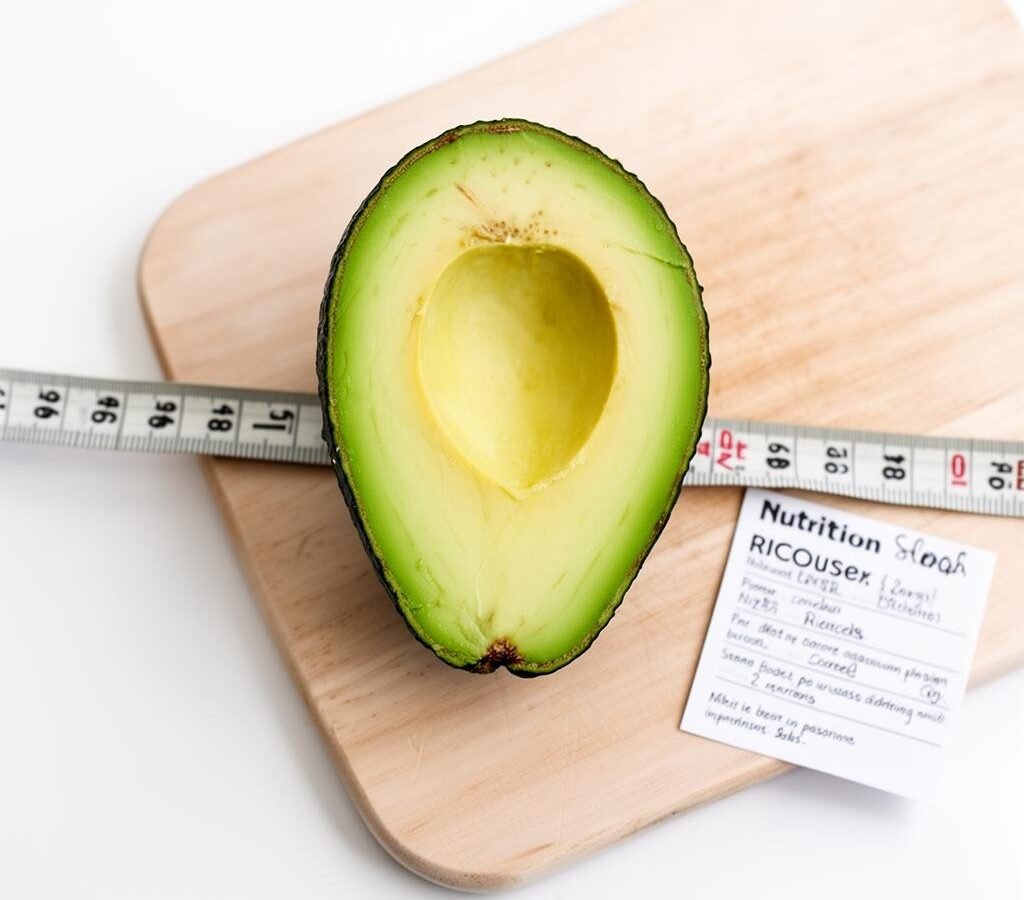
Discover why avocados are the ultimate superfood for your complexion. From smoothing fine lines to deep hydration, here is how the green fruit transforms your skin.
There is a certain ritual to the perfect Saturday morning: the hiss of the espresso machine, the gentle sunlight hitting the kitchen tiles, and the satisfying “thwack” of a knife hitting an avocado pit. We’ve all been there, hovering over the counter, hoping against hope that today’s fruit is that perfect, creamy shade of chartreuse. But while we usually celebrate the avocado for its contribution to our toast and tacos, there is a much deeper story happening beneath the surface. The **avocado benefits for skin** are more than just a beauty buzzword; they are backed by a unique profile of fatty acids and micronutrients that your skin literally hungers for. Whether you are slathering a DIY mask onto your forehead or enjoying a chunky guacamole, you are giving your largest organ a dose of biological gold. In this guide, we aren’t just talking about surface-level shine—we’re exploring how this buttery fruit can fundamentally change the way your skin behaves, ages, and glows. Ready to find out why the humble ‘alligator pear’ is the ultimate skin-care MVP?
The Secret Weapon: Healthy Fats and the Skin Barrier
Have you ever noticed how your skin feels after a week of eating clean? It’s not a coincidence. When we talk about avocado benefits for skin, we have to start with the “good fats.” Unlike the saturated fats found in processed snacks, avocados are loaded with monounsaturated fatty acids—specifically oleic acid. Think of oleic acid as the flexible mortar between the bricks of your skin cells.
When your skin barrier is healthy, it stays plump and holds onto water. When it’s compromised, moisture leaks out, leaving you with that tight, itchy feeling we all dread. By integrating avocado into your diet, you are essentially “greasing the wheels” of your cellular repair system. This isn’t just theory; studies have shown that a high intake of monounsaturated fats is associated with increased skin elasticity and a reduced appearance of fine lines. It’s like a moisturizing lotion that works from the inside out. Now, imagine pairing that with the sensory experience of a perfectly ripe fruit—it’s beauty you can actually taste.
Vitamin E and C: The Dynamic Duo for Brightness
If the healthy fats are the foundation, the vitamins in an avocado are the specialized workers who keep the structure looking brand new. Specifically, we’re looking at the powerhouse duo of Vitamin E and Vitamin C. Individually, they are great. Together? They are unstoppable.
Vitamin E is an antioxidant that lives in your skin’s sebum (oil). It’s your first line of defense against environmental “bad guys” like pollution and UV rays. However, Vitamin E gets “used up” as it fights these toxins. That’s where Vitamin C comes in—it actually recharges the Vitamin E, allowing it to keep protecting you all day long. Plus, Vitamin C is the essential co-factor for collagen synthesis. Without it, your skin can’t produce the protein that keeps it firm and bouncy. Eating a slice of avocado on your salad isn’t just a culinary choice; it’s a biological imperative for anyone looking to maintain that youthful “snap” in their skin. It’s nature’s own anti-aging serum, minus the triple-digit price tag at the beauty counter.
Protecting Against the Modern World: Carotenoids and Blue Light
We spend a lot of time worrying about the sun, but what about our phones? In our modern world, “blue light” (or high-energy visible light) is a constant presence. Emerging research suggests that blue light can penetrate deeper into the skin than UV rays, leading to premature aging and hyperpigmentation.
Enter lutein and zeaxanthin. These are carotenoids famously found in avocados. While we usually hear about them in the context of eye health, they are also deposited in the skin. They act like internal sunglasses, absorbing harmful light waves and neutralizing the oxidative stress they cause. It’s fascinating to think that a fruit grown in the sun has evolved its own complex system to handle light—a system it passes on to you when you eat it. This is why many skin experts refer to avocados as “sunscreen you can eat” (though, naturally, you still need your SPF 30+!).
Topical Magic: Why Avocado Oil is a Skincare Staple
If you aren’t ready to mash a fruit on your face, don’t worry—the oil is just as powerful. Avocado oil is a “carrier oil” that is remarkably good at penetrating the skin. While some oils just sit on top and make you look like a glazed donut, avocado oil has the ability to sink into the dermis.
This deep penetration makes it an incredible healer for inflammatory conditions. If you struggle with eczema, psoriasis, or even just stubborn winter dryness, the sterolins (plant steroids) in avocado oil can help soothe the itch and reduce redness. It’s also incredibly rich in lecithin, a lipid that helps deliver nutrients directly to the cells. I often tell my readers to keep a small bottle of cold-pressed avocado oil in their bathroom cabinet. A few drops added to your nightly moisturizer can turn a basic cream into a luxury treatment. The texture is rich, the scent is earthy, and the results are—quite literally—glowing.
Banishing Inflammation and Puffiness
We’ve all had those mornings where we wake up looking a little… puffy. Maybe it was a late night, a salty dinner, or just a lack of sleep. This is where the potassium content of avocados saves the day. We often associate bananas with potassium, but avocados actually contain more of this vital mineral per gram.
Potassium is essential for maintaining fluid balance in the body. When your potassium levels are optimal, your body is better at flushing out excess sodium and waste, which can reduce that “boggy” look in the face and around the eyes. Furthermore, avocados contain chlorophyll, the pigment that gives them their green color. Chlorophyll is a natural anti-inflammatory. Applying a chilled avocado mask can physically cool the skin, while the chlorophyll works to settle down any angry, red patches. The result? A face that looks rested, even if you’ve only had five hours of shut-eye.
The DIY Revolution: Simple, Ethical, and Effective
Let’s be real: skincare can be expensive. Between the 10-step routines and the “miracle” ingredients discovered in remote glaciers, it’s easy to feel overwhelmed. One of the best avocado benefits for skin is its accessibility. Most of us have half an avocado sitting in the fridge right now.
Instead of letting it go brown, use those bits for a DIY treatment. The beauty of a “food-based” skincare routine is that you know exactly what’s in it. No parabens, no synthetic fragrances, no mysterious “fragrance” labels. Just pure, unadulterated nourishment. When you combine avocado with honey (a natural humectant) or yogurt (for a hit of lactic acid), you are creating a spa-quality experience for pennies. There is something deeply grounding about returning to these ancestral beauty secrets. Our grandmothers knew what they were doing when they used the pantry as their pharmacy. Plus, the creamy texture of a fresh avocado mask is a sensory delight that no chemical peel can replicate.
Beyond the Face: Hair, Nails, and Total Body Glow
While many focus on the skin on their face, the benefits of avocado extend from your scalp to your toes. The biotin (Vitamin B7) found in avocados is a key building block for keratin. This means that regular consumption doesn’t just help your skin; it strengthens your hair and prevents brittle nails.
If you have dry, “crepey” skin on your elbows or knees, try rubbing the inside of an avocado peel directly onto the area. The remaining oil on the peel is the most concentrated part of the fruit. It’s a wonderful way to practice zero-waste beauty. Even for those with sensitive skin, avocado is generally very well-tolerated because it matches the skin’s natural pH and lipid profile so closely. It’s the ultimate all-rounder—a fruit that feeds you, protects you, and keeps you looking radiant through every season of life. So, the next time you’re at the grocery store, pick up an extra one. Your skin will thank you.
Key Takeaways
- Avocados are rich in monounsaturated fats that strengthen the skin barrier and trap moisture.
- The high levels of Vitamin E and C work together to neutralize environmental damage and UV stress.
- Lutein and zeaxanthin in avocados help protect skin from 'blue light' and oxidative damage.
- Topical avocado oil can significantly boost collagen production and skin elasticity.
- Chlorophyll provides natural anti-inflammatory benefits, reducing redness and puffiness.
- Regular consumption can lead to better DNA repair and slower visible aging signs.
📋 The Ultimate Dewy Skin Avocado Mask
Ingredients
- 1/2 ripe avocado
- 1 tbsp organic honey (preferably Manuka)
- 1 tsp ground rolled oats (optional for exfoliation)
- 3 drops of rosehip oil (optional)
Instructions
- Mash the avocado in a small bowl until it is completely smooth and lump-free.
- Stir in the honey and rosehip oil until the mixture forms a consistent paste.
- Apply a thick layer to clean, dry skin, avoiding the immediate eye area.
- Relax for 15 minutes while the moisturizing fats sink in.
- Rinse with lukewarm water using gentle circular motions, then pat dry.
Nutrition
| Healthy Fats (Mono) | 15g per average fruit |
| Vitamin E | 10% Daily Value per serving |
| Vitamin C | 17% Daily Value per serving |
| Potassium | 485mg (more than a banana) |
| Biotin (B7) | Essential for skin/hair health |
| Oleic Acid | Primary fatty acid for barrier repair |
| Lutein | Antioxidant for blue light protection |
Frequently Asked Questions
Is it better to eat avocado or put it on your face?
Eating avocados provides essential fats and vitamins that support skin health from the inside out, while topical application offers immediate hydration and soothing benefits. For the best results, do both!
Can avocado help with anti-aging?
Yes! The monounsaturated fats and vitamin E in avocados help maintain skin elasticity and neutralize free radicals, which can minimize the appearance of fine lines and wrinkles.
How often should I use avocado on my skin?
Applying an avocado mask 2-3 times a week is generally safe for most skin types. If you have very oily or acne-prone skin, keep it to once a week to ensure pores don't get clogged.
Does avocado cause breakouts?
Avocado oil is non-comedogenic for many, but because it is rich, those with very oily or cystic acne-prone skin should use it sparingly or stick to eating it rather than applying it topically.
Can avocado help clear dark spots?
Absolutely. The vitamin C and fatty acids in avocados help repair the skin barrier and reduce inflammation, which are key to fading dark spots and evening out skin tone over time.