
Avocado Healthy Fats Explained: Why Your Body Needs Them
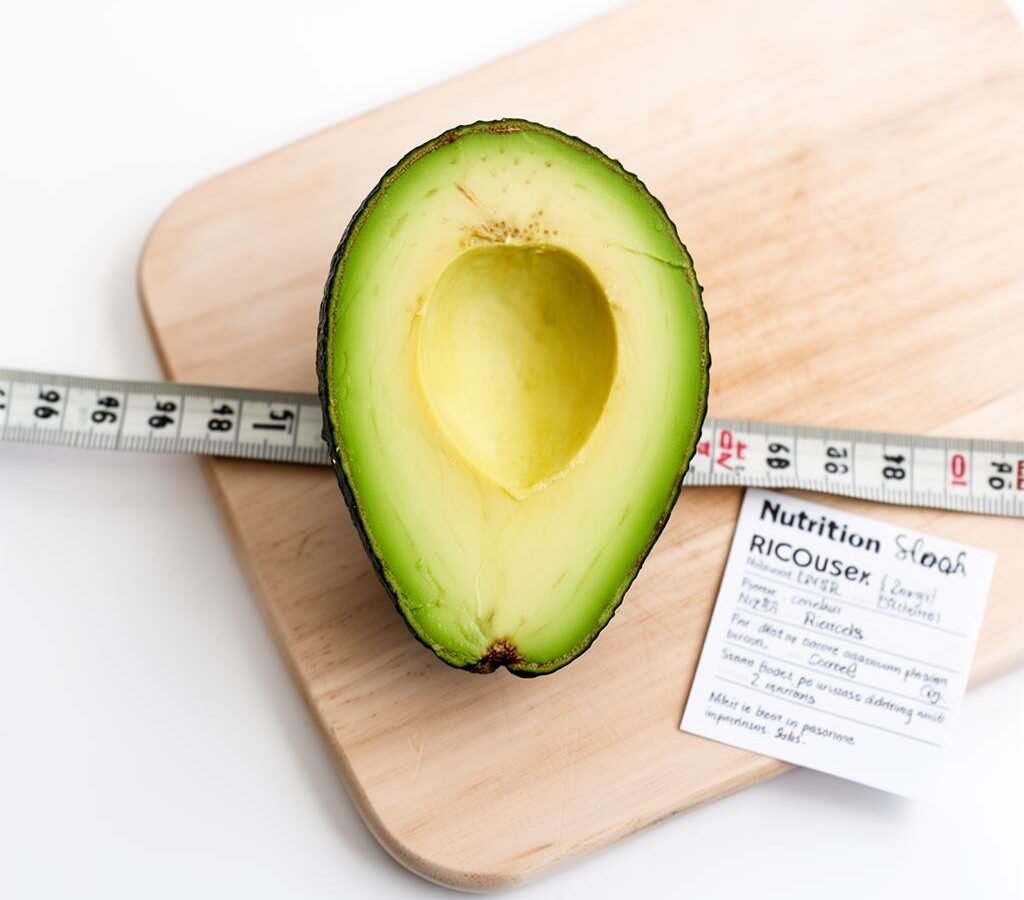
Discover why avocado healthy fats are the gold standard for wellness. Learn how these creamy fruits boost heart health, brain power, and nutrient absorption.
If you’ve ever sliced into a perfectly ripe avocado—that vibrant green hue giving way to a texture as smooth as butter—you know the sensory joy this fruit brings. But for a long time, we were taught to fear fat. We stayed in the “low-fat” aisles, clutching our watery dressings and rice cakes, while the poor avocado sat on the shelf, misunderstood. Thankfully, the tide has turned. Today, having **avocado healthy fats explained** is like getting a masterclass in how to fuel your body with premium high-octane energy. The magic of the avocado isn’t just in its creamy mouthfeel; it’s in the chemistry of its lipids. Unlike a steak or a block of cheddar, the avocado offers a plant-based powerhouse of monounsaturated fatty acids that do everything from soothing inflammation to keeping your brain sharp. It’s the “good guy” of the produce section, a fruit that behaves like a healthy oil, wrapped in a rugged, pebbly skin. In this guide, we aren’t just looking at calories or carb counts. We’re digging into why these specific fats are essential for your skin’s glow, your heart’s rhythm, and even your ability to absorb nutrients from that kale salad you’re eating. So, grab a spoon and maybe a pinch of sea salt—let’s talk about why your body is craving those green fats.
The Science of Monounsaturated Magic
To understand why we talk about avocado healthy fats explained so often, we have to look at the ‘Why.’ The majority of the fat in an avocado is monounsaturated fatty acid (MUFA), specifically something called oleic acid. If that sounds familiar, it’s because it’s the same heart-healthy fat found in premium olive oil.
Oleic acid is a superstar because it’s linked to reduced inflammation in the body. While saturated fats (found in fatty meats and butter) can sometimes raise LDL “bad” cholesterol when eaten in excess, MUFAs do the opposite. They help lower that bad cholesterol while maintaining the “good” HDL cholesterol. Think of it as a natural scrub brush for your arteries.
But it’s not just about the heart. These fats provide a slow-burning source of energy. While a sugary snack gives you a spike and a crash, the fats in an avocado digest slowly, providing a steady stream of fuel to your cells. This is why you feel so much more satisfied after a meal with a few slices of avocado than one without. It’s nature’s way of saying, \”Relax, you’re fueled up for the next few hours.\”
The Secret Weapon for Nutrient Absorption
Ever wonder why your salad has a side of dressing or why salsa often comes with guac? It’s not just for the flavor—it’s biology. Many of the most important nutrients in our diet are ‘fat-soluble.’ This means your body literally cannot absorb them unless they are hitched to a fat molecule.
Vitamins A, D, E, and K, along with antioxidants like carotenoids (the stuff that makes carrots orange and tomatoes red), need fat to cross from your digestive tract into your bloodstream. Research has shown that adding avocado to a salad can increase the absorption of these nutrients by up to 15 times.
Imagine spending five dollars on a bag of organic baby spinach and only absorbing 10% of the nutrients because you used a fat-free dressing. By adding just a quarter of an avocado, you’re essentially unlocking the door to all those vitamins. It’s the ultimate “bio-hack” found right in the produce aisle. Plus, the creamy texture replaces the need for processed, seed-oil-heavy dressings. It’s a win for your palate and your platelets.
Feeding Your Brain: Why Your Mind Loves Avocado
Your brain is the fattiest organ in your body, consisting of about 60% fat. To function at its peak, it needs high-quality lipids to maintain its structure and facilitate communication between neurons. This is where the avocado really shines as a ‘brain food.’
The healthy fats in avocados support blood flow, and healthy blood flow means a healthy brain. Furthermore, the monounsaturated fats help protect astrocytes—the support cells in your brain that keep your nerves firing correctly. There’s also the presence of lutein, a carotenoid that avocados are rich in. While often associated with eye health, lutein is also found in the brain and has been linked to improved cognitive function in both children and older adults.
Have you ever felt that “brain fog” lift after a nourishing lunch? That’s often the result of steady blood sugar and the brain getting the healthy fats it needs to stay sharp. Instead of reaching for a third cup of coffee, try half an avocado on some whole-grain toast. It’s the kind of focus that doesn’t come with the jitters.
Weight Management and the Satiety Factor
One of the biggest struggles in a modern diet is the “snack attack.” We eat a meal, and an hour later, we’re back in the pantry. This happens because many meals are too high in simple carbs and too low in fats and fiber.
Avocados are a double-threat here. They are packed with healthy fats *and* they are surprisingly high in fiber. A single avocado contains about 13–15 grams of fiber, which is nearly half of your daily recommended intake. Fiber and fat together are the “satiety duo.” They slow down gastric emptying, meaning the food stays in your stomach longer, signaling to your brain that you are full.
There’s a psychological peace that comes with eating an avocado. You don’t feel the need to graze. In clinical studies, participants who added half an avocado to their lunch reported a 40% decreased desire to eat for hours afterward. If you’re trying to manage your weight without feeling deprived, avocados are your best friend. They make a diet feel like a feast rather than a fast.
Skin Glow: The Internal Beauty Secret
We’ve talked about what’s inside, but how about how it makes you look on the outside? There’s a reason you see avocado on the labels of high-end moisturizers and hair masks. The fats in avocados are deeply hydrating, providing the building blocks for your skin’s natural oil barrier.
This barrier is what keeps moisture in and environmental toxins out. When you eat avocado healthy fats, you’re moisturizing from the inside out. The oleic acid helps reduce skin redness and irritation, while the Vitamin E (powered up by those fats) works as an antioxidant to combat oxidative damage from the sun and pollution.
You might notice that people who eat a diet rich in healthy plant fats often have a certain ‘glow.’ It’s the result of skin cells that are well-hydrated and flexible. If your skin is feeling dry or looking a bit dull, skip the expensive serum for a week and try adding a few more slices of ‘alligator pear’ to your plate. Your complexion will thank you.
Practical Ways to Enjoy Your Daily Dose
Now that we’ve had avocado healthy fats explained, how do we actually use them? While we love a good guacamole, there are so many more ways to integrate this fruit into your daily life.
1. The Morning Smoothie: You won’t even taste it! Half an avocado adds a silky, milkshake-like texture to fruit smoothies without the need for dairy or added sugar. 2. The Baking Swap: You can swap butter for mashed avocado in brownies or muffins at a 1:1 ratio. It creates a fudgy, moist texture and slashes the saturated fat content. 3. The Creamy Soup Topper: Instead of a dollop of sour cream, use diced avocado or a swirl of avocado crema (blended avocado with lime and cilantro). 4. The “Green” Mayo: Mash avocado onto your sandwiches or wraps. It provides that creamy zip with way more nutrients than traditional mayonnaise.
Remember, a ripe avocado should give slightly to gentle pressure in the palm of your hand. If it’s rock hard, leave it on the counter in a paper bag with a banana for a day. Once it’s ripe, get creative! There is no wrong way to eat an avocado, as long as you’re enjoying every creamy bite.
Key Takeaways
- Avocados are packed with monounsaturated fats, specifically oleic acid, which supports heart health.
- Eating avocado with colorful veggies can increase your absorption of antioxidants like beta-carotene.
- The high fat and fiber content in avocados helps regulate blood sugar and keeps you full longer.
- Avocado fats are vital for brain health and may help protect against cognitive decline.
- Unlike processed fats, avocado lipids are natural, whole-food sources of sustained energy.
- A little goes a long way; half an avocado a day is usually the 'sweet spot' for most people.
📋 The Ultimate Healthy Fat Avocado Toast
Ingredients
- 1 ripe Hass avocado
- 1 slice sourdough or sprouted grain bread, toasted
- 1 tsp extra virgin olive oil (optional)
- 1/2 lemon, juiced
- Pinch of red pepper flakes
- Maldon sea salt and cracked black pepper
- 3-4 thin slices of radish for crunch
Instructions
- Toast your bread until golden and sturdy.
- In a small bowl, mash the avocado with the lemon juice, salt, and pepper until it reaches your desired consistency (chunky is best!).
- Spread the avocado mixture generously over the warm toast.
- Top with radish slices, a drizzle of olive oil, and red pepper flakes.
- Enjoy immediately for the peak creamy-crunchy contrast!
Nutrition
| Total Fat (per 100g) | 15g |
| Monounsaturated Fat | 10g (The "Good" Fat) |
| Polyunsaturated Fat | 1.8g |
| Saturated Fat | 2.1g (Very Low) |
| Fiber | 7g |
| Potassium | 485mg (More than a banana!) |
| Sugar | 0.7g (Extremely Low) |
Frequently Asked Questions
What kind of fat is in an avocado?
Avocados primarily contain monounsaturated fats (specifically oleic acid), which are heart-healthy and help reduce inflammation. Unlike the saturated fats in butter or cheese, these plant-based fats support cardiovascular health.
Is an avocado too high in fat for daily consumption?
A medium avocado has about 25–30 grams of fat. While this sounds high, these are 'good' fats that promote satiety and nutrient absorption, making them a staple in many healthy diets.
Can you cook with avocado fats?
Yes! The monounsaturated fats in avocados are heat-stable enough for light sautéing or baking, but because of their low smoke point compared to avocado oil, they are best eaten raw or added at the end of cooking.
Does avocado help with nutrient absorption?
Absolutely. Research shows that eating avocado with vegetables (like carrots or spinach) helps your body absorb up to 15 times more fat-soluble vitamins like Vitamin A, E, and K.
Is avocado fat different from the fat in other fruits?
While technically a fruit, avocados are unique because they are low in sugar and high in fat. Most fruits are high in carbohydrates (fructose), but the avocado's calorie profile is dominated by healthy lipids.