
The Ultimate California Avocado Guide: Pick, Ripen, and Feast
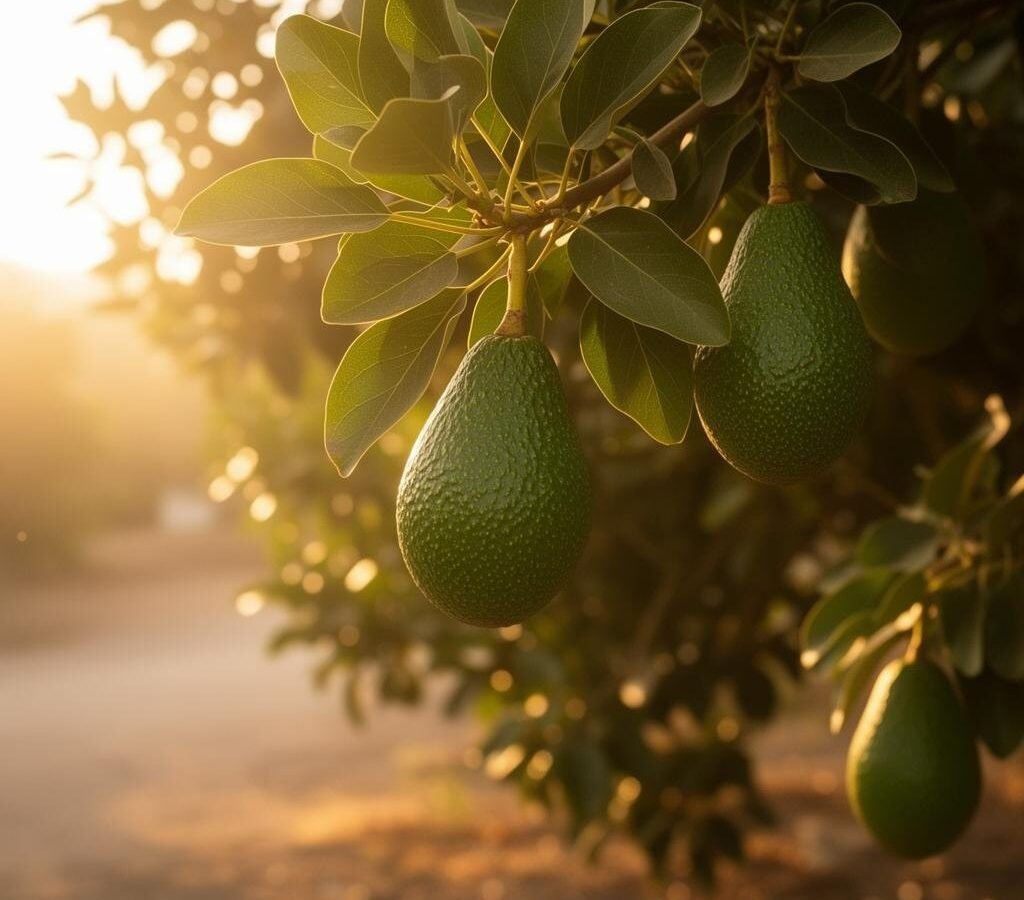
Discover why the California avocado is the king of summer fruits. From picking the perfect Hass to creative recipes, this is your ultimate guide to buttery bliss.
There’s a specific kind of magic that happens in the coastal foothills of the Golden State between spring and late summer. While the rest of the country is shaking off the last of the winter chill, California’s groves are heavy with what locals affectionately call “green gold.” If you’ve ever sliced into a perfectly ripe fruit only to find a vibrant, buttery interior that smears like room-temperature silk, you’ve likely experienced the subject of our **California avocado guide**. Growing up, I remember the first time I tasted a Hass avocado picked straight from a tree in Ventura County. It wasn’t just a topping for toast; it was an event. There’s a distinct nuttiness and a high-oil richness to California-grown fruit that you just don’t find elsewhere. Whether you’re a lifelong fan or a newcomer trying to figure out which “green rock” in the produce bin will actually ripen, this guide is designed to turn you into a certified avocado aficionado. We’re going beyond the basic guacamole to explore the heritage, the science of ripening, and the art of the perfect slice.
The Golden State Heritage: Why California?
To truly appreciate the fruit, we have to look at the soil. California provides a unique Mediterranean climate—think sunny days, cool coastal breezes, and well-draining volcanic soil—that avocados absolutely adore. Most of the state’s production happens between San Luis Obispo and San Diego.
The undisputed king of this region is the Hass variety. It was actually discovered by accident in the 1920s by Rudolph Hass, a postman who planted a few seedlings in his backyard. One peculiar tree produced fruit with dark, pebbly skin instead of the smooth green skin common at the time. To his surprise, the fruit was richer, creamier, and stayed fresh longer. Today, that single “mother tree” is the ancestor of almost every Hass avocado eaten globally. When you follow a California avocado guide, you’re really following the legacy of a happy horticultural accident that changed the way the world eats.
Seasonality: When to Hunt for Green Gold
Timing is everything. Unlike imported varieties that may be available year-round, California avocados have a specific window of excellence. The season usually kicks off in the spring (late February or March) and peaks during the hot summer months of June and July. By Labor Day, the harvest begins to wind down.
Why does this matter? Avocados don’t actually ripen on the tree; they “mature.” The longer they stay on the branch, the higher their oil content becomes. California growers wait until the fruit has reached peak maturity before picking, ensuring that when it finally reaches your counter, it has that signature nutty flavor. If you see an avocado with a “California” sticker in June, grab it—it’s at its absolute prime. This seasonality is a gift for cooks who want to eat with the rhythms of nature.
The Art of the Pick: How to Spot a Perfect Fruit
We’ve all been there: standing in the produce aisle, squeezing fruit like we’re trying to find a heartbeat. Let’s stop the madness. First, never use your thumb to check for ripeness; it bruises the flesh and leaves brown spots for whoever buys it. Instead, cradle the avocado in the palm of your hand and apply gentle, even pressure. If it gives slightly, it’s ready for tonight. If it feels like a baseball, it needs a few days.
Another pro tip? Check the “button”—that little stem nub at the top. If you flick it off and it’s green underneath, you’ve got a winner. If it’s brown, the fruit is likely overripe and may have internal bruising. If the stem won’t come off at all, the fruit is still firm and far from ready. When you bring home firm fruit, store it on the counter. Once it reaches that “just-right” softness, move it to the refrigerator to pause the ripening process for a few more days. It’s a simple trick, but it saves so much kitchen heartbreak.
Nutritional Powerhouse: More Than Just Good Fat
Let’s talk nutrition, because avocados are essentially nature’s multivitamin wrapped in a textured peel. They are one of the few fruits that contain healthy monounsaturated fats—the same kind found in olive oil—which are known to support heart health and help lower “bad” LDL cholesterol.
But it’s not just about the fats. One medium avocado packs more potassium than a banana and provides about 10 grams of fiber. They act as a “nutrient booster,” meaning that if you eat avocado with other vegetables (like in a salad), the healthy fats help your body absorb fat-soluble vitamins like A, D, E, and K from the other greens. It’s a symbiotic relationship on your plate. Plus, they have a low glycemic index, making them a favorite for anyone mindful of blood sugar levels. Eating fat to stay healthy might sound counterintuitive, but the avocado makes a very compelling case.
Beyond the Toast: Creative Ways to Use Your Haul
While guacamole is the undisputed heavy hitter, the California avocado is a shapeshifter in the kitchen. Because of its high oil content, it can often replace butter or oil in baking—try swapping half the butter in a brownie recipe for mashed avocado; you’ll get a fudgy, decadent texture with half the saturated fat.
Have you ever tried a grilled avocado? Cut it in half, remove the pit, brush with olive oil, and char it face-down on a hot grill for two minutes. The heat intensifies the nuttiness and creates a warm, custard-like texture that is life-changing when topped with a little salsa verde. Or, think sweet. In many parts of Southeast Asia, avocados are treated as a dessert. Blend a ripe California Hass with condensed milk and ice for a creamy shake that puts milkshakes to shame. From savory toast to chocolate mousse, there is virtually nothing this fruit can’t do.
Staying Green: The Battle Against Oxidation
Nothing ruins a beautiful brunch like an avocado that turns gray the moment it hits the air. This happens because of an enzyme called polyphenol oxidase, which reacts with oxygen (much like an apple or potato). The secret to stopping this is acid and air-tightness.
If you have a leftover half, keep the pit in—it doesn’t actually have magical properties, but it reduces the surface area exposed to air. Squeeze a generous amount of lemon or lime juice over the exposed flesh, then press plastic wrap directly against the surface of the fruit so there are no air bubbles. For guacamole, some people swear by a thin layer of water on top of the dip before sealing it; when you’re ready to eat, just pour the water off and stir. These small steps ensure your green gold stays green, saving you money and keeping your platelooking Instagram-worthy.
Key Takeaways
- California avocados have a higher oil content, leading to a creamier texture and richer flavor.
- The season is limited (typically April–August), making them a seasonal delicacy worth waiting for.
- Look for the 'California' label to support local growers and reduce 'food miles.'
- To check for ripeness, use gentle palm pressure rather than poking with your thumb.
- Store ripe avocados in the fridge to extend their life by 3-5 days.
- Avocados are nutritional powerhouses, loaded with heart-healthy monounsaturated fats and fiber.
📋 The Purist's California Guacamole
Ingredients
- 2 ripe California Hass avocados
- 1/2 small red onion, finely diced
- 1 serrano or jalapeño pepper, seeded and minced
- 2 tablespoons fresh cilantro, chopped
- 1 tablespoon fresh lime juice
- 1/2 teaspoon flaky sea salt
- Optional: 1/2 roma tomato, deseeded and diced
Instructions
- Cut the avocados in half, remove the pits, and scoop the flesh into a medium bowl.
- Use a fork or a potato masher to gently mash the avocado, leaving plenty of chunky bits for texture.
- Fold in the diced onion, minced chili, cilantro, and tomato if using.
- Drizzle with lime juice and sprinkle with sea salt.
- Taste and adjust seasoning—adding more lime or salt as needed. Serve immediately with warm corn chips.
Nutrition
| Calories (per 1/3 medium fruit) | 80 kcal |
| Healthy Fats (Monounsaturated) | 5g |
| Dietary Fiber | 3g (11% DV) |
| Potassium | 250mg (6% DV) |
| Vitamin K | 10% DV |
| Sugar | 0g |
| Vitamin E | 6% DV |
Frequently Asked Questions
When is California avocado season?
The peak season for California avocados generally runs from spring through summer, specifically from April through August, though some years can see harvests as early as February.
What is the most popular avocado variety in California?
The Hass avocado is the most popular variety grown in California, making up about 95% of the state's total crop due to its rich flavor and durable skin.
How do I ripen an avocado quickly?
Place them in a brown paper bag with a banana or apple. These fruits release ethylene gas, which triggers the avocado to soften much faster.
Are California avocados better than imported ones?
While many avocados in US stores come from Mexico or Peru, California avocados are prized for their higher oil content and shorter travel time, which often results in a creamier texture.
Can you freeze California avocados?
Yes! You can freeze avocado mash with a bit of lemon juice in airtight bags, or freeze halves without the skin. They are best used for smoothies or spreads after thawing.