
Organic Avocado Benefits: Why This Creamy Superfood is Essential
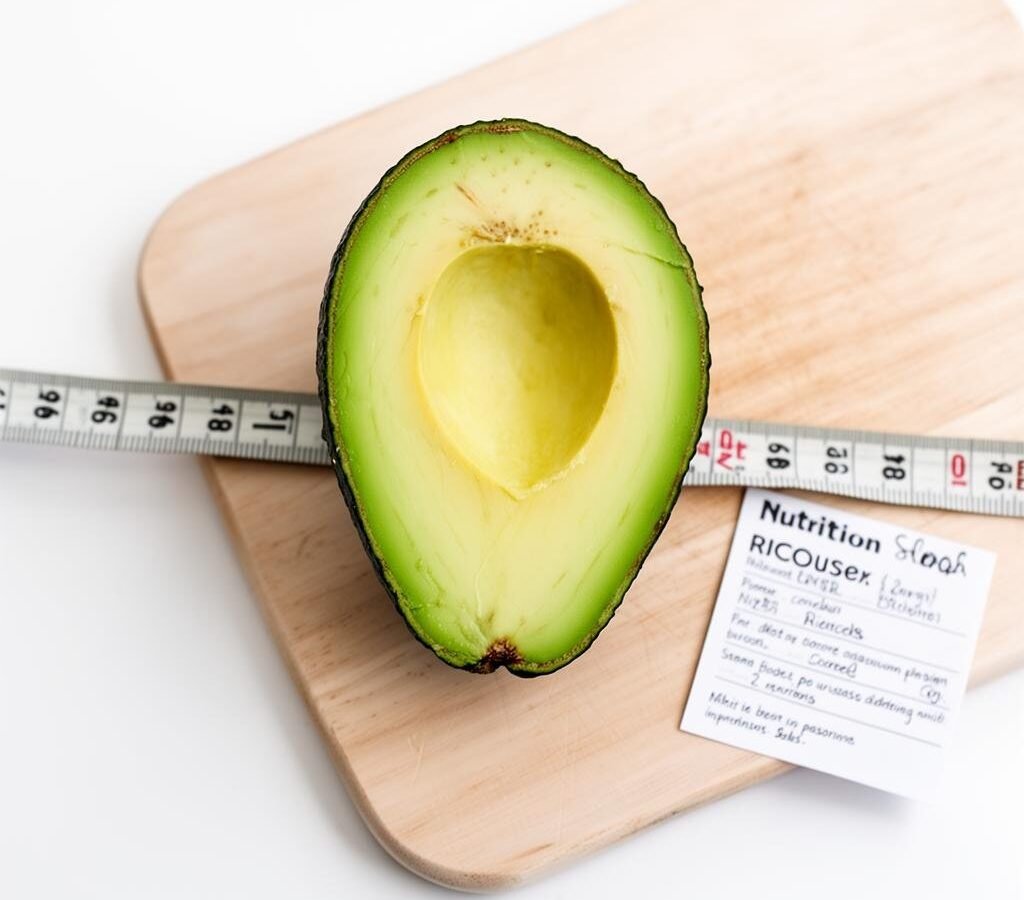
Discover why switching to organic avocados is more than just a trend. From brain health to skin radiance, learn the science-backed organic avocado benefits for your body.
If there’s one fruit that has transitioned from a simple salad topper to a global cultural icon, it’s the avocado. Whether it’s spread across sourdough or whipped into a creamy mousse, we just can’t get enough of that buttery, green goodness. But as we become more conscious of where our food comes from, the conversation is shifting toward the quality of our produce. Why go green when you can go organic? When we talk about organic avocado benefits, we aren’t just talking about avoiding a few chemicals. We’re talking about a deeper connection to the soil, a higher concentration of nutrients, and a flavor profile that feels like it was plucked straight from a California grove at sunrise. There is something deeply satisfying about slicing into a perfectly ripe organic avocado, seeing that vibrant lime-green hue, and knowing you’re fueling your body with the cleanest version of nature’s “green gold.” In this guide, we’re going to peel back the skin on everything this creamy superfruit has to offer. From the way it protects your heart to how it can actually make your brain sharper, you’ll see why making the organic switch is one of the easiest (and tastiest) upgrades you can make for your health.
The Organic Difference: More Than Just a Label
Let’s be honest: not all avocados are created equal. You’ve probably had that experience where you buy a bag of cheap, conventional avocados, only to find they’re watery, stringy, or they go from rock-hard to rotten in thirty seconds. When you choose organic, you’re often getting fruit that has been allowed to mature more naturally on the tree.
Organic farming focuses on soil health. By using natural compost and avoiding synthetic nitrogen fertilizers, organic farmers encourage a robust soil microbiome. Why does this matter to you? Because healthy soil produces more nutrient-dense food. Studies have suggested that organic produce can contain higher levels of certain antioxidants, like polyphenols. When you eat an organic avocado, you’re not just getting fat and fiber; you’re getting a complex package of micronutrients that hasn’t been interfered with by harsh pesticides. Plus, let’s talk about the flavor. Organic avocados often have a higher oil content, which translates to that legendary, velvety texture we all crave. It’s richer, nuttier, and far more satisfying.
A Love Letter to Your Heart: Fats and Potassium
The most well-known of the organic avocado benefits is its incredible impact on your cardiovascular system. For years, fat was the “villain” of the nutrition world, but we now know that’s simply not true—at least not when it comes to the monounsaturated fats found in avocados.
These are “heart-healthy” fats, specifically oleic acid, which is also the main component of olive oil. Oleic acid has been linked to reduced inflammation in the body and has been shown to have beneficial effects on genes linked to cancer. But for your heart specifically, these fats help lower “bad” LDL cholesterol while maintaining “good” HDL cholesterol.
And don’t forget the potassium! Most people reach for a banana when they think of potassium, but an avocado actually contains significantly more per serving. Potassium is essential for maintaining healthy blood pressure levels and preventing strokes. It helps your body flush out excess sodium and eases the tension in your blood vessel walls. Your heart works hard for you every second of the day; feeding it organic avocado is like giving it a high-quality tune-up.
The Secret to Seamless Digestion and Stable Blood Sugar
If you struggle with digestion or just feel sluggish after meals, the avocado might be your new best friend. One single organic avocado contains about 13-15 grams of fiber. That is a massive chunk of your daily recommended intake (which is usually around 25-30g).
What’s unique about avocados is that they contain both soluble and insoluble fiber. Soluble fiber feeds the “good” bacteria in your gut, which is vital for your immune system and even your mood. Insoluble fiber, on the other hand, keeps things moving through your digestive tract, preventing that heavy, bloated feeling.
Because they are so rich in fiber and healthy fats, avocados have a very low glycemic index. This means they don’t cause those dramatic spikes in blood sugar that lead to energy crashes. Instead, you get a slow, steady burn of energy that keeps you focused throughout the afternoon. It’s the ultimate “prevent the 3 PM slump” food.
The Nutrient Booster: Why Avocados Make Other Foods Better
Think of the avocado as the “multiplier” for your kitchen. Many of the most important nutrients we get from vegetables—like Vitamin A, D, E, and K, as well as antioxidants like carotenoids—are “fat-soluble.” This means your body literally cannot absorb them unless they are consumed with a source of fat.
Imagine you eat a beautiful organic salad with spinach, carrots, and tomatoes. Those veggies are loaded with lutein and beta-carotene (great for your eyes and skin). However, if you eat that salad with a fat-free dressing, most of those nutrients just pass through your system. By adding half an organic avocado to that salad, you can increase your antioxidant absorption by up to 15 times!
This is why avocados are such a powerhouse in a plant-based diet. They make everything else you eat work harder for you. It’s not just about what the avocado brings to the table; it’s about how it unlocks the potential of your entire meal.
Brain Food: Sharpening Your Focus Naturally
We often focus on what avocados do for our waistlines, but what about what they do for our minds? The “fatty brain” theory is real—your brain is about 60% fat, and it requires high-quality fatty acids to function.
Organic avocados are a prime source of lutein, a carotenoid that is usually associated with eye health. Recent research has shown that lutein also accumulates in the brain and is linked to improved cognitive function in both children and older adults. Regular consumption of avocados has been associated with better memory, quicker problem-solving skills, and increased focus.
Furthermore, the healthy fats support the structure of neurons and facilitate the transmission of signals across the brain. When you eat an avocado, you’re literally greasing the wheels of your cognitive machinery. Next time you have a big presentation or a long study session, forget the extra caffeine—try a slice of avocado toast instead.
The Edible Glow: Skin and Hair Vitality
Expensive serums and creams are great, but true radiance starts in the kitchen. The organic avocado benefits extend directly to your skin’s appearance and health.
First, the vitamin E. This powerful antioxidant helps protect your skin from oxidative damage caused by the sun and environment. When combined with the vitamin C also found in avocados, it helps your body produce collagen, the protein responsible for keeping your skin firm and bouncy.
Then there are the fats again. These monounsaturated fats sit in the top layer of your skin, helping to maintain moisture levels so your skin looks dewy rather than dull. Many people even use organic avocado as a DIY face mask! While it’s slightly messy, the natural oils soak into the skin, providing deep hydration without the synthetic fragrances and preservatives found in store-bought products. Whether you eat it or wear it, the result is a healthy, natural glow.
Sustainability: Why Your Choice Matters for the Planet
When you choose organic, you aren’t just making a choice for your own body—you’re making one for the planet. Conventional avocado farming is often criticized for its heavy water usage and the use of synthetic pesticides that can run off into local water supplies and harm pollinators like bees.
Organic orchards prioritize biodiversity. They use cover crops to keep the soil rich and moist, which actually helps the soil retain water better, potentially reducing the overall water footprint of the fruit. By avoiding synthetic chemicals, organic farmers protect the surrounding ecosystems, ensuring that the birds, bugs, and plants around the grove continue to thrive.
As a consumer, your dollar is your vote. Choosing organic avocados supports farmers who are working with nature rather than against it. It ensures that we can continue to enjoy this incredible fruit for generations to come without depleting the very earth that provides it.
The Art of the Perfect Ripen: How to Store and Select
The biggest challenge with avocados is the “window of perfection.” We’ve all been there: it’s hard as a rock on Monday, and by Tuesday afternoon, it’s a brown mess. Here’s a pro tip: buy your organic avocados in different stages of ripeness.
Look for the “button” (the little stem at the top). If it comes off easily and shows green underneath, it’s ready to eat. If it doesn’t budge, it needs more time. If it’s brown underneath, it’s likely overripe.
Once your avocado reaches that perfect “gives slightly to gentle pressure” stage, put it in the fridge! The cold temperature stalls the ripening process, giving you an extra two or three days of perfection. And if you only eat half, keep the pit in the other half and squeeze some lemon juice over it before wrapping it tightly in parchment or a reusable beeswax wrap. The acid and the physical barrier against oxygen will keep it green and gorgeous for your next meal.
Key Takeaways
- Organic avocados are rich in heart-healthy monounsaturated fats that lower 'bad' LDL cholesterol.
- They contain more potassium than bananas, supporting healthy blood pressure levels.
- The high fiber content aids digestion and promotes a healthy gut microbiome.
- Organic farming practices preserve soil health and may increase the fruit's antioxidant density.
- Avocados act as a 'nutrient booster,' helping your body absorb fat-soluble vitamins (A, D, E, and K) from other veggies.
- Regular consumption is linked to better brain health and cognitive function due to lutein content.
📋 The Ultimate Organic Guacamole
Ingredients
- 2 ripe organic avocados
- 1/2 small red onion, finely diced
- 1 small jalapeño, seeded and minced
- Juice of 1 large lime (about 2 tablespoons)
- 1/4 cup fresh cilantro, chopped
- 1/2 teaspoon sea salt
- 1/4 teaspoon ground cumin (optional)
Instructions
- Slice the avocados in half, remove the pit, and scoop the flesh into a medium bowl.
- Use a fork to gently mash the avocado until you reach your desired consistency (chunky or smooth).
- Stir in the diced onion, jalapeño, and cilantro.
- Drizzle with lime juice and sprinkle with sea salt and cumin.
- Fold the ingredients together gently—don't overmix or it will turn into a paste!
- Taste and adjust salt or lime as needed. Serve immediately with veggie sticks or organic corn chips.
Nutrition
| Calories (per 1/2 avocado) | 160 kcal |
| Total Fat | 15g |
| Saturated Fat | 2g |
| Fiber | 7g |
| Sugar | Less than 1g |
| Potassium | 485mg (10% DV) |
| Vitamin K | 26% DV |
| Folate | 20% DV |
Frequently Asked Questions
Is it really worth buying organic avocados?
While conventional avocados have a thick skin that protects the fruit from some pesticides, organic avocados are grown without synthetic fertilizers or harmful chemicals, ensuring the soil remains healthy and the fruit is as nutrient-dense as nature intended.
Can avocados help with weight loss?
Absolutely. Avocados are packed with monounsaturated fats and fiber, which help you feel full longer, reducing the urge to snack on processed foods throughout the day.
How do I keep my avocados from going bad too fast?
Store unripe avocados on the counter. Once they are soft to the touch, move them to the refrigerator to give them an extra 2–3 days of life. To speed up ripening, place them in a paper bag with an apple or banana.
Are organic avocados good for your skin?
Yes! The healthy fats and vitamin E in avocados are fantastic for maintaining skin elasticity and a natural 'glow' from the inside out.
Are avocados good for heart health?
One of the biggest organic avocado benefits is its high potassium content—even more than a banana—which helps regulate blood pressure and keeps your heart beating steadily.