Mediterranean Avocado Recipes: A Creamy Twist on Coastal Classics
Discover how to fuse creamy avocado with Mediterranean flavors. From whipped feta dips to zesty salads, these healthy recipes will transform your meal prep.
Close your eyes and imagine a sun-drenched terrace overlooking the Aegean Sea. There’s a breeze carrying the scent of salt and wild oregano, and the table in front of you is filled with small plates of vibrant, colorful food. Traditionally, that spread might include bowls of glistening olives and thick yogurt, but lately, there’s a new guest at the party: the avocado. While avocados didn’t originate in the Mediterranean basin, they’ve found a soulmate in the region’s culinary philosophy. Why do **mediterranean avocado recipes** feel so natural? It’s all about the texture and the fat. The Mediterranean diet is built on the foundation of healthy fats, primarily olive oil. The avocado is essentially nature’s butter—a fruit that offers that same luscious, monounsaturated fat content but with a creamy, spreadable texture that plays beautifully with tangy feta, sharp lemon, and juicy tomatoes. In this guide, we aren’t just looking at basic toast. We’re exploring how to weave this green powerhouse into the fabric of coastal cooking. Whether you’re looking for a refreshing summer lunch or a show-stopping appetizer for your next dinner party, these recipes bring a fresh, buttery twist to the world’s healthiest way of eating. Ready to grab your chef’s knife? Let’s get slicing.
The Modern Mediterranean: Why Avocado Fits Perfectly
When you think of the Mediterranean diet, you likely think of the “Holy Trinity”: olives, wheat, and grapes. But the modern Mediterranean table is expanding. In places like Spain and Israel, avocado orchards are thriving, and the fruit has become a beloved staple.
What makes it work? It’s the balance of rich and bright. Mediterranean food relies heavily on acidity—think of the sting of a red wine vinaigrette or the zing of a squeeze of lemon over grilled fish. Avocado acts as the perfect foil to that acidity. It coats the palate in a velvety texture, making those sharp flavors feel rounded and sophisticated. Plus, from a nutritional standpoint, the fats in the avocado help your body absorb the fat-soluble vitamins (like A, D, E, and K) found in all those beautiful vegetables you’re eating. It’s a match made in biological heaven.
Salads That Actually Satisfy (With a Creamy Twist)
Forget the bland, watery salads of the past. A true Mediterranean salad is a chunky, textured affair. When you’re crafting mediterranean avocado recipes, the key is to keep the avocado in bite-sized cubes so you get a “pop” of creaminess in every forkful.
Try what I like to call the ‘Greek Salsa.’ Mix diced avocado with kalamata olives, sun-dried tomatoes, and plenty of fresh dill. The saltiness of the olives cuts right through the richness of the avocado. If you’re feeling adventurous, add some chickpeas for a protein boost. The beauty of these salads is that they don’t need heavy dressings. A splash of apple cider vinegar or lemon juice and a glug of the good olive oil is all you need. Sprinkle a little sumac on top if you have it in your pantry—it adds a gorgeous purple color and a floral tartness that is absolutely addictive.
Dips and Spreads: Moving Beyond Guacamole
Hummus is great, but have you ever tried Whipped Feta with Avocado? It’s a game-changer. By blending a ripe avocado into a traditional feta dip, you get a beautiful pastel green mousse that is much lighter and fluffier than standard hummus.
To make it, you just pulse feta, Greek yogurt, a clove of garlic, and a whole avocado in a food processor. The result is a salty, tangy, creamy dip that begs for a warm piece of pita bread or a crunchy carrot stick.
Another favorite is the ‘Avocado Tzatziki.’ Traditionally made with just yogurt and cucumber, adding half a mashed avocado creates a thicker, more luxurious texture without needing to use heavy cream. It’s perfect as a sauce for grilled chicken skewers or as a spread inside a veggie wrap. The subtle earthiness of the avocado grounds the cooling mint and sharp garlic in the tzatziki.
The Mediterranean Breakfast Upgrade
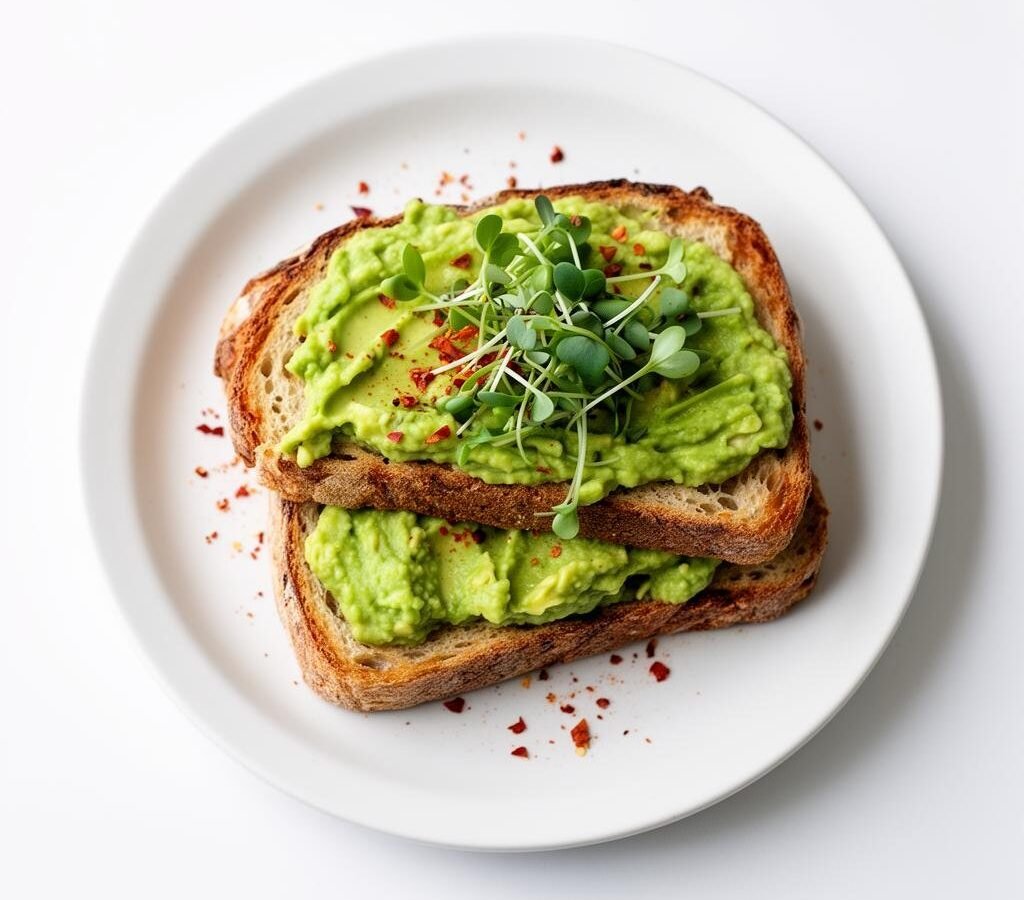
Let’s talk about breakfast. We all know avocado toast has taken over the world, but the Mediterranean version is something special. Instead of just plain mash, try spreading a thick layer of labneh (strained yogurt) on sourdough, topping it with avocado slices, and finishing it with Za’atar and a drizzle of honey.
Za’atar is a Middle Eastern spice blend usually containing thyme, oregano, marjoram, toasted sesame seeds, and salt. When the savory herbs meet the fatty avocado and the sweet honey, something magical happens. It’s a breakfast that feels like a decadent treat but is actually packed with fiber and protein. If you’re a fan of eggs, a poached egg on top with a runny yolk adds another layer of richness that will keep you full until dinner. It’s the kind of meal that makes you want to linger over your coffee and enjoy the morning.
Main Courses: Avocado as a Star Player
While we usually think of avocado as a cold ingredient, it can actually handle a little bit of heat. In some coastal regions, it’s common to see “stuffed” vegetables, and avocados are perfect vessels for this.
Try stuffing an avocado half with a mixture of cooked quinoa, pine nuts, raisins, and a hint of cinnamon. It sounds unusual, but the sweetness of the raisins and the crunch of the toasted nuts against the warm, softening avocado is spectacular. Briefly warm it in the oven for about 5-8 minutes—just enough to take the chill off.
Alternatively, use avocado as a topping for hot Mediterranean grain bowls. Imagine a bowl of warm farro, roasted red peppers, artichoke hearts, and grilled halloumi cheese. A few slices of cool, fresh avocado on top provide a temperature contrast that makes the whole bowl feel refreshed. It’s all about creating that perfect harmony of textures and temperatures.
Selection and Storage: Becoming an Avocado Pro
To get the best results from your mediterranean avocado recipes, you need to be an avocado whisperer. We’ve all been there: you buy an avocado and it’s a rock, then you turn your back for five minutes and it’s brown mush.
The Squeeze Test: Don’t press your thumb into the side of the fruit (that causes bruising!). Instead, place the avocado in the palm of your hand and squeeze gently with your whole hand. If it yields slightly, it’s ready. The Stem Peek: Pop the little brown stem off the top. If it’s bright green underneath, you’ve hit the jackpot. If it’s brown, the avocado is likely overripe. If the stem won’t come off, it needs more time.
When you’re ready to eat, remember that the most flavorful part of the avocado is the dark green flesh right up against the skin. Use a spoon to scrape every last bit out. In Mediterranean cooking, we don’t like to waste anything, especially not the most nutrient-dense part of the fruit! Toss those skins in the compost and enjoy the green gold.
Key Takeaways
- Avocados complement Mediterranean flavors by providing a creamy contrast to acidic ingredients like lemon and vinegar.
- Always use high-quality, extra virgin olive oil alongside avocado for a double dose of heart-healthy fats.
- Texture is key: combine the softness of avocado with crunchy elements like cucumbers, toasted nuts, or seeds.
- Fresh herbs are non-negotiable—mint, parsley, and dill are the best companions for avocado-based dishes.
- Avocado can serve as a healthy substitute for mayonnaise or heavy cream in dressings and dips.
- Don't overcomplicate: sometimes the best Mediterranean dish is just a ripe avocado half with sea salt, lemon, and red pepper flakes.
📋 The Ultimate Mediterranean Avocado Salad
Ingredients
- 2 ripe Hass avocados, cubed
- 1 cup cherry tomatoes, halved
- 1 large English cucumber, diced
- 1/4 cup red onion, thinly sliced
- 1/2 cup crumbled feta cheese
- 1/4 cup fresh parsley, chopped
- 2 tbsp Extra Virgin Olive Oil
- 1 tbsp fresh lemon juice
- 1 tsp dried oregano
- Pinch of sea salt and cracked black pepper
Instructions
- In a large mixing bowl, combine the diced cucumber, halved cherry tomatoes, and sliced red onion.
- Add the cubed avocado gently to the bowl to avoid mashing it too much.
- In a small jar, whisk together the olive oil, lemon juice, oregano, salt, and pepper.
- Drizzle the dressing over the vegetables and toss very gently with a large spoon.
- Top with crumbled feta and fresh parsley just before serving. Enjoy immediately!
Nutrition
| Calories per half avocado | 160 kcal |
| Healthy Monounsaturated Fats | 15g |
| Dietary Fiber | 7g |
| Potassium (more than a banana!) | 485mg |
| Vitamin K (% of Daily Value) | 26% |
| Vitamin C (% of Daily Value) | 17% |
Frequently Asked Questions
Are avocados actually part of a Mediterranean diet?
Technically, avocados are native to Central and South America, not the Mediterranean. However, because they are packed with healthy monounsaturated fats—much like olive oil—they have become a staple in 'Modern Mediterranean' cooking across Israel, Greece, and Spain.
How do I ripen an avocado quickly?
To speed up ripening, place your avocado in a brown paper bag with an apple or banana. The ethylene gas released by the other fruit will soften the avocado in 24-48 hours.
How do I keep avocado from turning brown?
Store the cut side with a squeeze of lemon or lime juice and wrap it tightly in plastic wrap (pressing the wrap against the flesh to eliminate air). Keeping the pit in doesn't actually stop browning, but minimizing oxygen exposure does!
Can I use avocado instead of butter in Mediterranean cooking?
Yes! Many people in the Mediterranean region use mashed avocado as a heart-healthy substitute for butter or mayonnaise on sandwiches and toast.
Is avocado keto-friendly?
Absolutely. Since avocados are high in healthy fats and low in carbs, they fit perfectly into a Mediterranean-style keto diet focusing on whole foods.