The Ultimate Avocado Diet Plan for Beginners: 2024 Guide
Unlock the creamy secrets of the avocado diet plan for beginners. Learn how this buttery "super-fruit" helps blast belly fat and keep you full for hours.
If you’ve ever found yourself staring at a perfectly ripe avocado in the grocery store, wondering if its creamy goodness is “too good to be true” for your weight loss goals, you aren’t alone. We’ve been conditioned for decades to fear fat, yet here sits this bumpy, green fruit—nature’s butter—claiming to be a pillar of health. The truth? Starting an avocado diet plan for beginners is one of the most satisfying ways to transform your relationship with food. It’s not about eating nothing but avocados; it’s about strategically using their unique nutrient profile to silence hunger and fuel your body. There is something almost ritualistic about slicing into a Haas avocado. The way the knife glides through the skin, the reveal of that vibrant, pale-green flesh, and the mild, nutty aroma. It’s far more appetizing than a chalky protein shake or a dry rice cake. In this guide, we’re going to peel back the layers on why this fruit is a metabolic powerhouse and how you can integrate it into your daily life without ever feeling deprived. Whether you want to lose a few pounds or just want more energy to get through your afternoon meetings, let’s get into the green.
Why the Avocado Diet Works for Newbies
When we talk about an avocado diet plan for beginners, we aren’t suggesting you eat guacamole for breakfast, lunch, and dinner (though it sounds tempting!). Instead, we’re looking at the avocado as a metabolic tool. Most diets fail because they leave you hungry. When you’re hungry, your willpower eventually snaps, and you find yourself elbow-deep in a bag of chips.
Avocados change the game because of their fat-to-fiber ratio. They contain monounsaturated fats—the “good” kind that supports heart health—married with a surprising amount of fiber. This duo slows down digestion and prevents spikes in your blood sugar. Have you ever noticed that after a salad with avocado, you don’t feel like snacking an hour later? That’s the “satiety effect” in action. By replacing processed carbs or trans fats with avocado, you’re telling your brain, “Hey, we’re fueled up and good to go.” This makes it much easier to maintain a calorie deficit without the usual grumpiness associated with dieting.
Mastering the Art of Selection and Ripening
Before we get to the eating, let’s talk shopping. Picking a bad avocado is a heartbreak we’ve all felt—either it’s a rock-hard stone or a mushy, brown mess inside. To get your avocado diet plan for beginners off to a successful start, you need to master the ‘gentle squeeze’ test.
Hold the avocado in the palm of your hand and apply light pressure. If it gives slightly but doesn’t feel ‘mushy,’ it’s ready for today. If it’s hard, it needs 2-3 days on your counter. Pro tip: Want to speed things up? Put your hard avocados in a brown paper bag with a banana. The ethylene gas from the banana acts like a ripening turbo-boost. On the flip side, if your avocado is perfect but you aren’t ready to eat it, toss it in the fridge. The cold stalls the ripening process and can keep it perfect for an extra 48 hours. When you slice it, look for that gorgeous chartreuse color. If there are small brown spots, just scoop them out—the rest is still gold!
Building Your Daily Meal Structure
The magic of the avocado is its versatility. You can go savory, spicy, or even sweet. Here’s a simple way to structure your day:
* Breakfast: Swap the butter or cream cheese on your toast for mashed avocado. Top it with a poached egg for protein. The yolk and avocado together create a rich, luxurious texture that feels like a cheat meal but is actually a nutritional powerhouse. * Lunch: Use avocado as a “bowl.” Slice one in half, remove the pit, and fill the center with tuna salad, chicken salad, or a spicy chickpea mix. You get to eat the “container,” and the Healthy fats help you absorb the nutrients from the veggies in your meal. * Dinner: Throw some slices onto your grilled salmon or taco bowl. Or, blend avocado with garlic, lime, and cilantro to make a creamy pasta sauce that has zero heavy cream or butter.
The Golden Rule: Always pair your avocado with a protein. While avocado is great, it’s low in protein. Adding chicken, fish, beans, or eggs ensures you’re building muscle while losing fat.
Portion Control: How Much is Too Much?
One of the biggest hurdles for beginners is realizing that avocados are calorie-dense. A medium avocado has about 250 to 320 calories. If you eat three a day on top of your normal meals, you’re going to gain weight, not lose it. The goal of an avocado diet plan for beginners is replacement, not just addition.
Instead of putting mayonnaise on your sandwich, use avocado. Instead of ranch dressing on your salad, use an avocado-based vinaigrette. By swapping out “empty” fats (like soybean oil and processed spreads) for “functional” fats (avocado), you reduce inflammation and improve your cholesterol markers. A standard serving size is about one-third of a medium avocado. It doesn’t sound like much, but because it’s so rich, it goes a long way. Think of it as a garnish that packs a punch. If you find yourself overeating, try pre-slicing the avocado and putting the rest away before you sit down to eat. Out of sight, out of mind!
The Secret Weapon: Nutrient Absorption
Did you know that many of the vitamins in your vegetables are fat-soluble? This means your body literally cannot absorb them without grease. Vitamins A, D, E, and K—crucial for everything from bone health to your immune system—need a “ride” to get into your bloodstream.
In a study, people who added avocado to their salads absorbed three to five times more carotenoid antioxidants than those who ate the salad dry. This is why the avocado diet plan for beginners is about more than just the fruit itself; it’s about making everything else you eat *more effective*. When you eat a carrot, the beta-carotene needs the avocado’s fat to transform into Vitamin A. You’re essentially supercharging your kale, spinach, and tomatoes just by adding a few slices of green goodness. It’s efficiency at its tastiest.
Hydration and Fiber: The Silent Partners
Water and fiber are the two best friends of any successful diet. Avocados are surprisingly high in fiber—one fruit has about 10–13 grams. Most adults struggle to get even 15 grams a day, so one avocado gets you nearly halfway there. Fiber is what keeps the “pipes moving,” preventing that bloated, heavy feeling that can sabotage your motivation.
However, a quick warning for beginners: when you increase your fiber intake via avocados, you must increase your water intake. Fiber needs water to move through your system. If you go heavy on the avocado but forget to hydrate, you might end up feeling a bit backed up. Aim for at least 8-10 glasses of water a day to keep everything running smoothly. You’ll notice your skin looks clearer, your energy is more stable, and that midday brain fog begins to lift. Plus, the potassium in avocados (even more than in bananas!) helps flush out excess salt, reducing water retention and that dreaded puffiness.
Staying Consistent and Creative
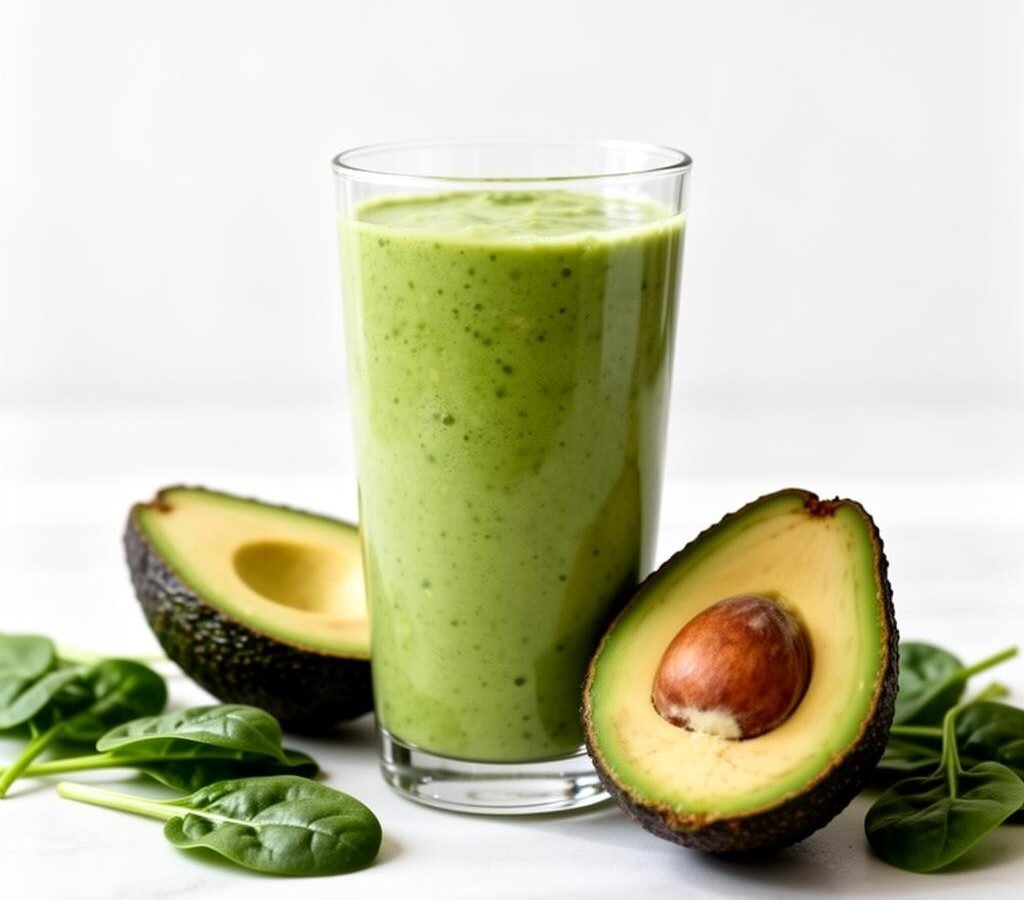
Starting a new plan is always exciting during the first week, but how do you keep it going? Variety is the spice of life. If you get bored of avocado toast, try an avocado smoothie. Blend half an avocado with spinach, a scoop of vanilla protein powder, and some almond milk. You won’t even taste the avocado, but it creates a milkshake-like texture that is incredibly satisfying.
Another trick is “The Swap.” Use avocado in baking! You can replace half the butter in a brownie or muffin recipe with mashed avocado. It adds moisture and healthy fats without the saturated fat of dairy butter. As you progress in your avocado diet plan for beginners, you’ll start to see these little green fruits not as a diet food, but as a kitchen staple that makes healthy living feel like a luxury. Remember, perfection isn’t the goal—consistency is. If you miss a day, don’t sweat it. Just pick up your next avocado, give it a squeeze, and get back to it. Your body (and your taste buds) will thank you.
Key Takeaways
- Avocados contain oleic acid, which helps reduce abdominal fat and inflammation.
- The high fiber content (about 10g per fruit) keeps you full and improves digestion.
- Healthy fats in avocados help your body absorb vitamins A, D, E, and K from other vegetables.
- Portion control is key; aim for 1/3 to 1/2 of an avocado per serving.
- Avocados are incredibly versatile, working in smoothies, dressings, and even desserts like chocolate mousse.
- Consistent intake can lead to better skin elasticity and a natural 'glow' from the inside out.
📋 The Ultimate Beginner's Avocado Toast
Ingredients
- 1/2 ripe avocado
- 2 slices whole-grain or sourdough bread
- 1 tsp lemon juice
- 1/4 tsp red pepper flakes
- 1 large egg (poached or soft-boiled)
- A pinch of flaky sea salt
Instructions
- Toast your bread until golden and slightly crunchy.
- In a small bowl, mash the avocado with the lemon juice and a pinch of salt until it reaches your desired chunkiness.
- Spread the avocado mash generously over the toast.
- Top with your egg, then sprinkle with red pepper flakes and extra sea salt.
- Serve immediately while the toast is warm and the egg yolk is runny.
Nutrition
| Calories (per 100g) | 160 kcal |
| Total Fat | 15g |
| Monounsaturated Fat | 10g |
| Fiber | 7g |
| Net Carbs | 2g |
| Potassium | 485mg |
| Vitamin K | 26% DV |
| Folate | 20% DV |
Frequently Asked Questions
Can I really lose weight eating high-fat avocados?
While avocados are high in fat, it's mostly heart-healthy monounsaturated fat. Eating them in moderation can actually help you lose weight by increasing satiety and reducing the urge to snack on processed sugars.
How much avocado should I eat per day?
For most beginners, half an avocado per day is the 'sweet spot.' However, if you are very active, a whole avocado spread across two meals is perfectly fine as long as you account for the calories (about 250-320 per fruit).
What should I pair with avocado for a balanced meal?
Think of the avocado as your fat source. To keep it balanced, pair it with a lean protein (chicken, fish, tofu) and a high-fiber carbohydrate (sweet potato, quinoa, or leafy greens).
How do I keep my avocados from turning brown?
Store firm avocados on the counter. Once they are soft to a gentle squeeze, move them to the fridge to stop the ripening process. If you've cut one open, leave the pit in, squeeze lemon juice on the flesh, and wrap it tightly in plastic.
Is the avocado diet plan compatible with Keto?
Yes! Avocado is a staple of the Keto diet because it's high in fat and very low in net carbs. It’s the perfect 'fat bomb' to keep you in ketosis.