Avocado Recipes for Beginners: Easy, Creamy, and Delicious
Discover the best avocado recipes for beginners, from the perfect creamy toast to zesty guacamole and surprising smoothies. Healthy eating made easy!
There is a certain magic to a perfectly ripe avocado. When you slice into that dark, pebbly skin to reveal the creamy, buttery, vibrant green center, it feels like winning a tiny culinary lottery. But for many, the avocado is as intimidating as it is delicious. How do you pick a good one? How do you get the pit out without a trip to the ER? And once you have it, what do you actually do with it besides spreading it on toast? If you’ve ever felt “avocado anxiety,” you aren’t alone. These fruits (yes, they’re technically a large berry!) have a reputation for being finicky. They are rock-hard one day and mushy the next. But once you master a few simple techniques, they become the ultimate kitchen MVP. They add healthy fats, incredible texture, and a wealth of nutrients to almost any meal. In this guide, we’re stripping away the complexity. We’re looking at avocado recipes for beginners that require zero fancy equipment and very little time. Whether you’re looking for a quick breakfast, a satisfying lunch, or even a decadent dessert, these recipes are designed to help you fall in love with the “alligator pear.” Let’s get mashing!
The Art of the Perfect Pick: Finding Your Avocado
Before we get into the recipes, we have to talk about the “Avocado Goldilocks Zone.” You know the drill: it’s too hard, it’s too hard, it’s too hard… and then suddenly, it’s a brown mess.
To find the perfect specimen for your avocado recipes for beginners, use your palm, not your fingertips. Give it a gentle squeeze. It should feel like the fleshy part of your palm just below your thumb—firm but giving.
Pro Tip: Look at the “button” (the little stem at the top). If you flick it off and it’s bright green underneath, you’ve found a winner. If it’s brown, the avocado is likely overripe inside. If it won’t come off at all, it needs another day or two on the counter. Once they are ripe, toss them in the fridge to pause the ripening process for a few extra days.
Mastering the Iconic Avocado Toast
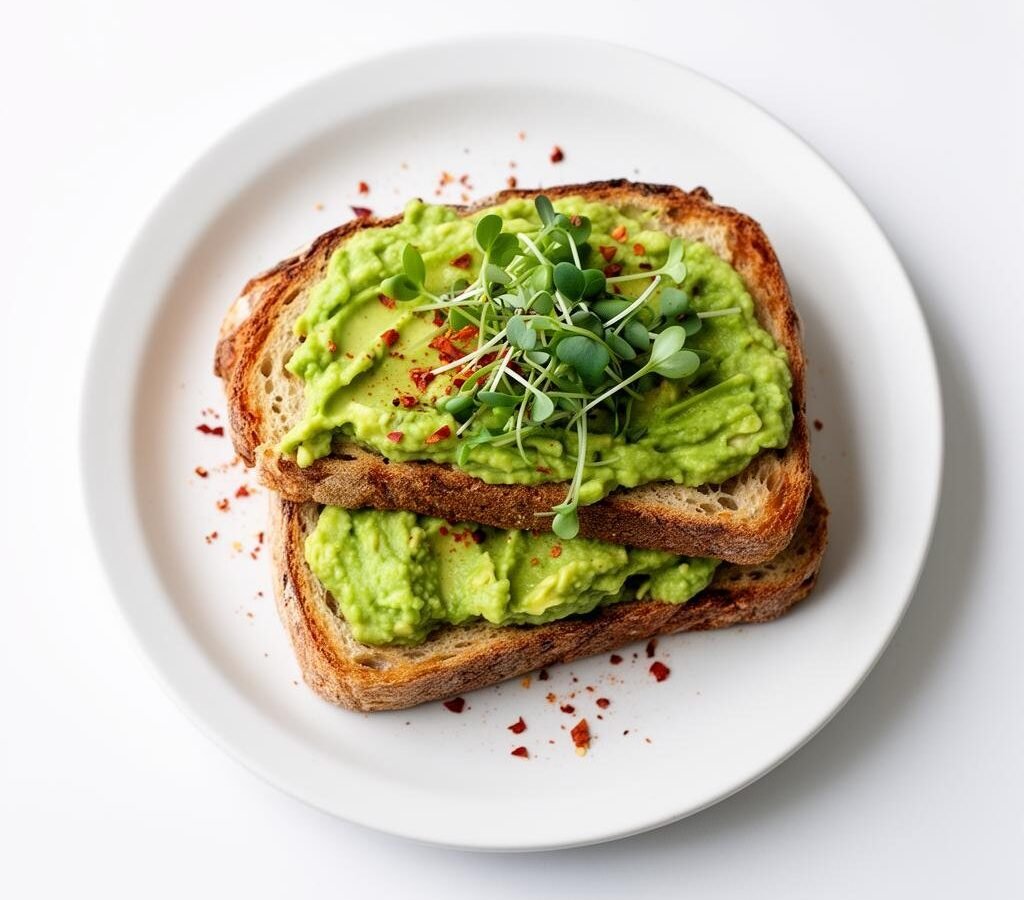
The classic avocado toast is the gateway drug of avocado recipes. It’s the reason we’re all supposedly unable to afford houses, and frankly, after one bite of a well-made slice, you’ll understand why.
The secret to a great beginner toast isn’t just the avocado; it’s the contrast. You want a thick, crusty bread like sourdough or a hearty multi-grain that can stand up to the weight of the mash.
While the recipe card below gives you the basics, don’t be afraid to experiment. Want a protein boost? Add a soft-boiled egg. Want some crunch? Sprinkle on some “Everything Bagel” seasoning. The avocado acts as a creamy blank canvas for whatever flavors you’re craving. It’s fast, it’s filling, and it’s virtually impossible to mess up.
The 5-Minute Guacamole Hack
If toast is the king of avocado breakfasts, guacamole is the queen of the party. Real-deal guacamole is a revelation compared to the watery, neon-green tubs you find at the supermarket.
For beginners, keep it simple. You don’t need a mortar and pestle (though a *molcajete* looks cool on the counter). A sturdy fork and a bowl will do just fine.
The Golden Ratio: For every two avocados, use the juice of half a lime, a quarter-cup of diced red onion, and a handful of chopped cilantro. The lime juice isn’t just for zing; the acid actually prevents the avocado from oxidizing (turning brown), keeping your dip vibrant and green for hours. If you like heat, finely dice a de-seeded jalapeño and stir it in. Just remember: salt is your friend here. Avocado is naturally quite mild, so don’t be shy with the sea salt!
Creamy Smoothies: The Secret Ingredient
Wait, avocado in a smoothie? If you’ve never tried it, bear with me. Because avocados are high in healthy fats and have a neutral, nutty flavor, they act as a natural thickener. They turn a standard smoothie into something that feels like a decadent milkshake, without the dairy.
In a blender, combine half an avocado, a frozen banana, a handful of spinach, and your milk of choice (almond or oat milk works beautifully). The avocado disappears into the texture, leaving you with a drink that is incredibly satiating.
Unlike fruit-only smoothies that can lead to a mid-morning sugar crash, the fats in the avocado slow down digestion, keeping you full until lunch. It’s the ultimate “stealth health” move for people who aren’t huge fans of eating their greens.
The ‘No-Bread’ Lunch: Stuffed Avocados
Lunch for beginners often means a sad desk sandwich or a wilted salad. Let’s change that. Avocado is the perfect “bowl” for other ingredients.
One of my favorite quick lunches is the Stuffed Avocado. You simply slice the fruit in half, remove the pit, and fill the hole with something flavorful.
Try these three fillings: 1. Tuna or Chickpea Salad: Mix canned tuna (or mashed chickpeas) with a little Greek yogurt, Dijon mustard, and celery. 2. Caprese Style: Fill the center with cherry tomatoes, mini mozzarella pearls, and a drizzle of balsamic glaze. 3. Mexican Street Corn: Stuff it with grilled corn, cotija cheese, and a dash of chili powder.
You eat it right out of the skin with a spoon. No plates to wash, no bread required, and plenty of healthy energy to get you through the afternoon.
Sweet Surprises: Avocado Chocolate Mousse
This is usually the part where people get skeptical. Chocolate and avocado? Trust me on this one. When you blend ripe avocado with high-quality cocoa powder and a sweetener like maple syrup or honey, magic happens.
The healthy fats in the avocado mimic the mouthfeel of heavy cream. What you end up with is a rich, dark chocolate mousse that is packed with fiber and antioxidants.
Beginner Pudding Recipe: Blend 2 ripe avocados, 1/2 cup cocoa powder, 1/2 cup maple syrup, 1/3 cup plant milk, and a splash of vanilla extract until silky smooth. Chill it in the fridge for an hour. Your guests will never guess the secret ingredient unless you tell them. It’s a great way to use up those avocados that are just a *little* too soft for toast.
Safety Tips and Kitchen Techniques
Before you start your culinary journey, safety first! “Avocado hand” is a real thing, but it’s easily avoided.
The Safe Way to Cut: Place the avocado on a cutting board. Hold it firmly with one hand and slice lengthwise around the pit. Twist the two halves to pull them apart.
The Pit Removal: Forget what you see on TV with people swinging knives at the pit. Instead, use a spoon to gently scoop under and around the pit to pop it out. If you must use a knife, place the half with the pit on the board, gently tap the heel of the knife into the pit, twist, and lift. Slide the pit off the knife using a towel or the edge of the sink.
The Peeling: Don’t use a peeler! Either scoop the flesh out with a large spoon (perfect for mashing) or peel the skin back with your fingers if the avocado is firm enough to slice. This ensures you keep the “dark green” layer right under the skin, which is where most of the nutrients live.
Key Takeaways
- Pick avocados that yield to gentle pressure and have green skin under the stem nub.
- Use an acid like lemon or lime juice to prevent browning and enhance flavor.
- Avocados are a powerhouse of monounsaturated fats and fiber.
- Don't stop at savory; avocados make incredible dairy-free chocolate mousses and smoothies.
- To slice safely, always cut against the cutting board, never toward your hand.
- Store unripe avocados on the counter and ripe ones in the fridge to extend their life.
📋 The Ultimate Beginner Avocado Toast
Ingredients
- 1 ripe avocado
- 2 slices sourdough or whole-grain bread
- 1 tsp lemon juice
- 1/2 tsp red pepper flakes (optional)
- A pinch of flaky sea salt
- A drizzle of extra virgin olive oil
Instructions
- Toast your bread until golden brown and sturdy.
- Slice the avocado in half, remove the pit, and scoop the flesh into a small bowl.
- Add the lemon juice and a pinch of salt to the bowl. Mash with a fork until you reach your desired consistency (chunky or smooth).
- Spread the avocado mixture generously over the warm toast.
- Top with red pepper flakes, flaky sea salt, and a tiny drizzle of olive oil. Serve immediately!
Nutrition
| Calories per 100g | 160 kcal |
| Total Fat | 15g |
| Fiber | 7g |
| Potassium | 485mg |
| Vitamin K | 26% DV |
| Folate | 20% DV |
| Sugar | 0.7g |
Frequently Asked Questions
How do I tell if an avocado is ripe?
Look for a pebble-textured skin that is dark green to black. Give it a gentle squeeze in the palm of your hand; it should yield to firm pressure but not feel mushy or hollow. If the stem nub pops off easily and shows green underneath, it's perfect!
Can I ripen an avocado quickly?
To speed things up, place the avocado in a brown paper bag with an apple or a banana. These fruits release ethylene gas, which acts as a natural ripening agent. Your avocado should be ready in 24-48 hours.
Is it safe to eat an avocado if it has turned brown?
The brown color is just oxidation (like an apple). It’s safe to eat, though it might taste slightly more bitter. You can usually scrape the thin brown layer off to reveal the bright green fruit underneath.
Can you freeze avocados?
Absolutely! Since avocados are high in fat, they freeze well. Mash them with a little lemon or lime juice first, then freeze in an airtight bag for up to 4 months. They are perfect for smoothies or guacamole later.
How do I stop half an avocado from browning?
The easiest way is to leave the pit in the unused half, squeeze lemon juice over the flesh, and wrap it tightly in plastic wrap (pressed directly against the surface) before refrigerating.